Listen
Arrangement: Ian J. Watts / Mike Wilbury · Singalongasong Band / ClassicRocks
Lyrics
Lyrics to this song will be available very soon
Traditional lyrics — public domain. Arrangement © Singalongasong Band / ClassicRocks.
History & Background
History & Origin
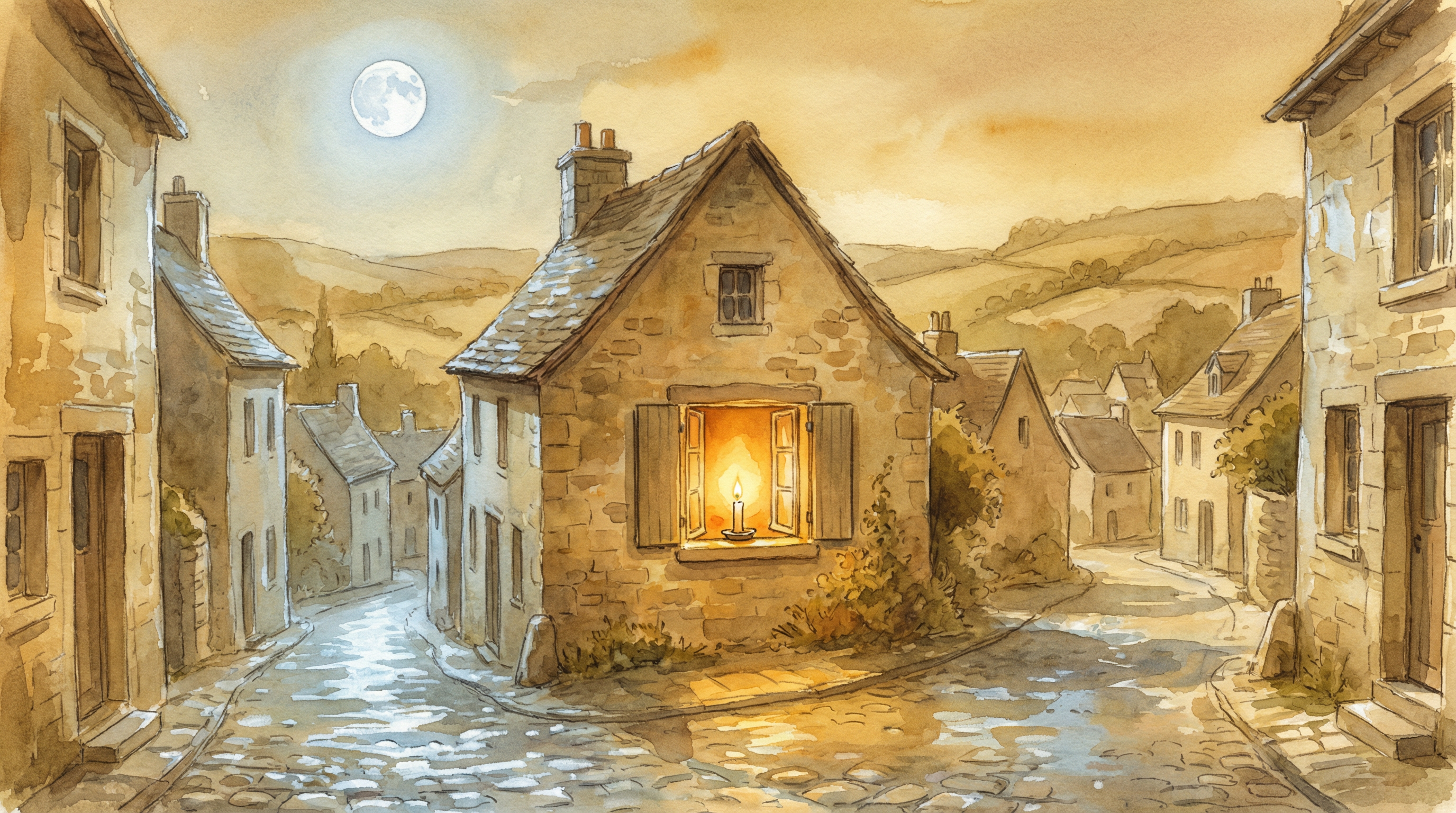
Au Clair de la Lune (By the Light of the Moon) is a French folk song of uncertain origin, sung to a simple, beautiful melody that has been familiar in France for centuries. The song tells of a narrator asking his friend Pierrot — a character from the commedia dell'arte tradition — for a candle and a pen to write a letter by moonlight. Pierrot, already in bed and without a fire, sends the narrator to ask his neighbour instead.
It is a charming, understated little narrative, but what makes Au Clair de la Lune historically extraordinary is what happened to its melody in 1860. On 9th April 1860, French inventor Édouard-Léon Scott de Martinville used his phonautograph — a device designed to record the visual waveform of sound on paper — to capture a recording of this song. When the recording was digitally converted and played back in 2008, it became the earliest known recording of a human voice in existence, predating Thomas Edison's phonograph by nearly two decades.
The voice singing those gentle, familiar notes is unidentified — possibly Scott de Martinville himself, or a woman in his household. But the melody that drifted through a Paris workshop in 1860, and was captured for the first time in human history, was this song.