Listen
Arrangement: Ian J. Watts / Mike Wilbury · Singalongasong Band / ClassicRocks
Lyrics
I'll sing you a song, a good song of the sea,
With a way, hey, blow the man down,
And trust that you'll join in the chorus with me,
Give me some time to blow the man down.
There was an old skipper, I don't know his name,
With a way, hey, blow the man down,
Although he once played a remarkable game,
Give me some time to blow the man down.
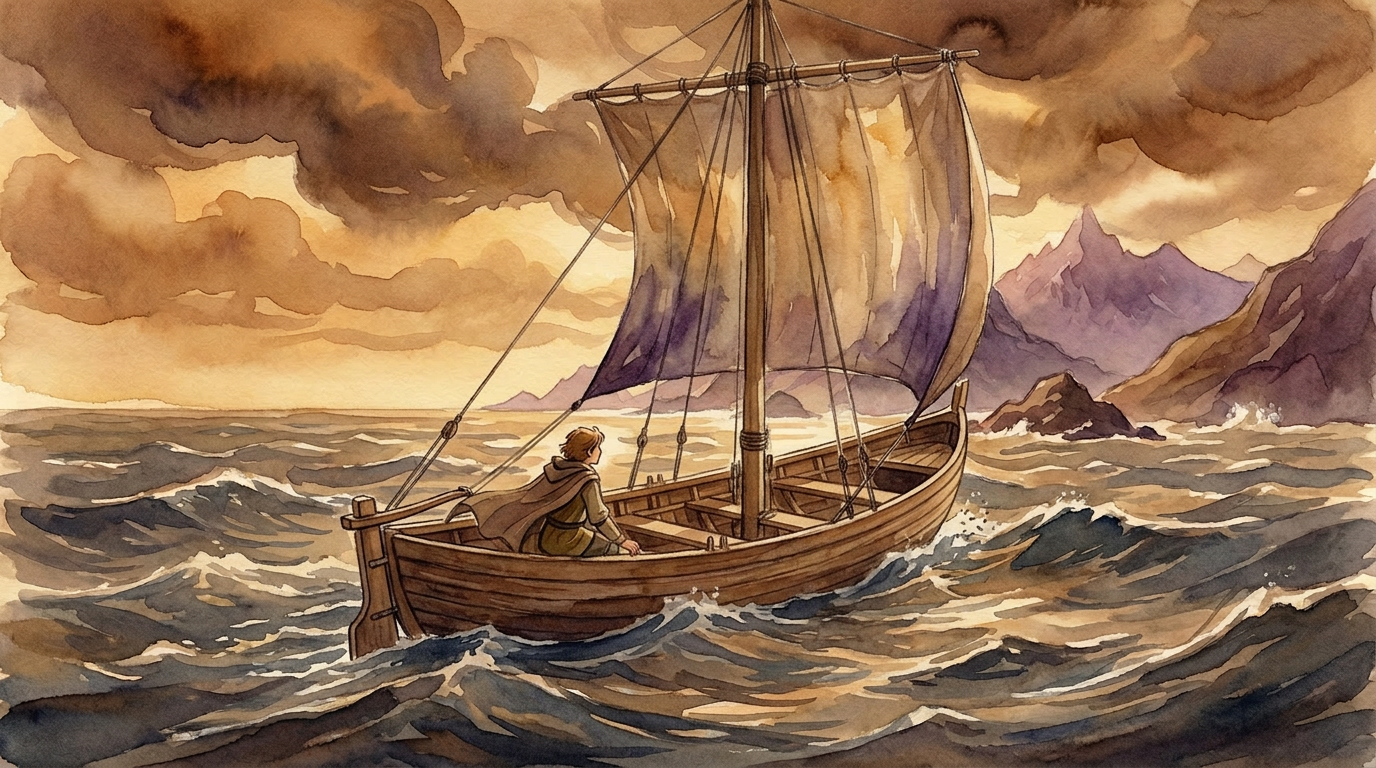
His ship lay be-calmed in the tropical sea,
With a way, hey, blow the man down,
And he worked very hard to escape from the lee,
Give me some time to blow the man down.
Traditional lyrics — public domain. Arrangement © Singalongasong Band / ClassicRocks.
History & Background
History & Origin
"Blow the Man Down" is one of the most famous of all sea shanties — the working songs sung by sailors aboard merchant vessels during the great age of sail. The phrase "blow the man down" refers to knocking a man off his feet, either by a powerful gust of wind or by a more violent encounter, and the song's cheerfully defiant tone is typical of the shanty tradition.
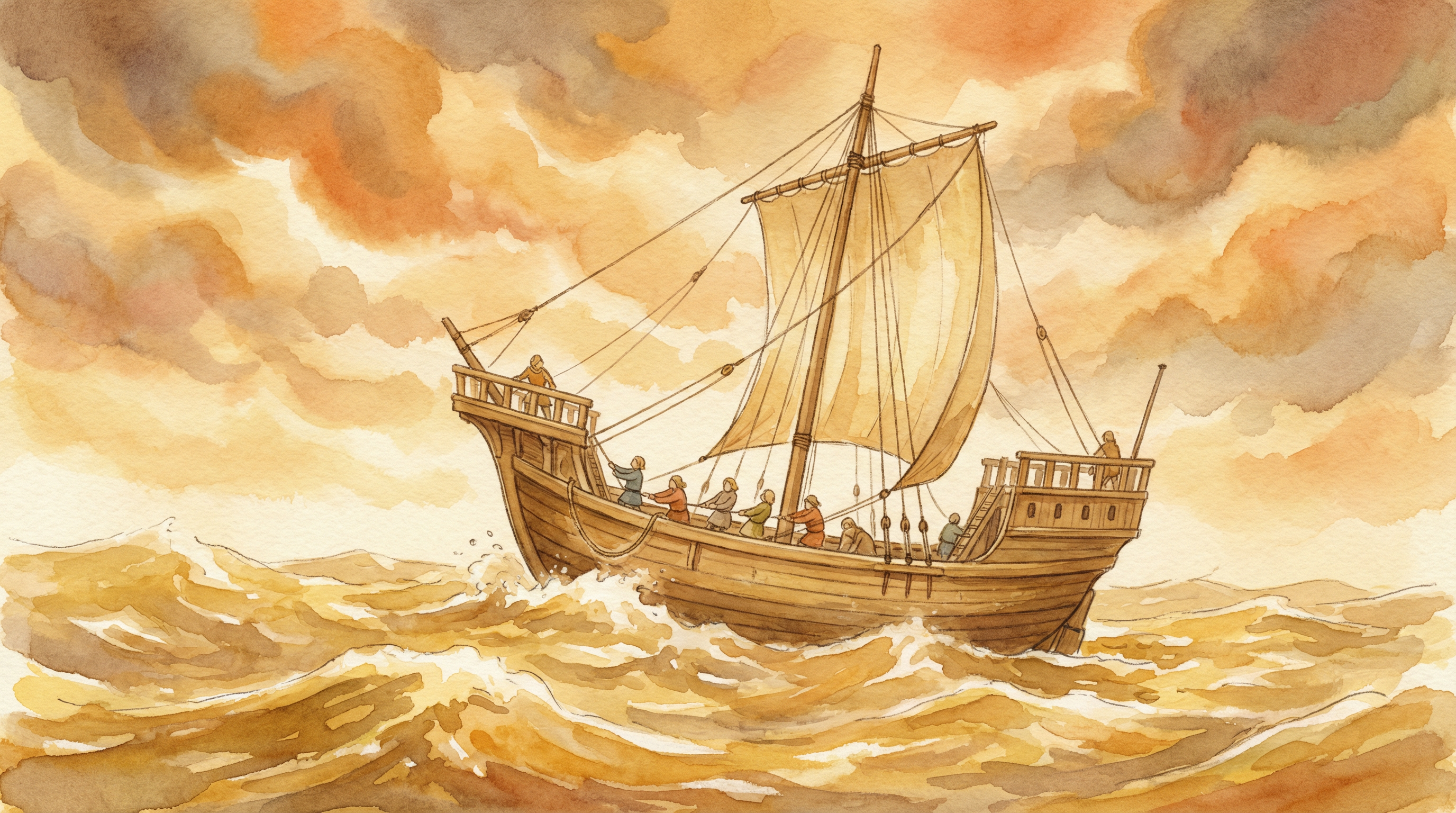
Sea shanties served a specific practical purpose: they coordinated the collective effort of hauling lines, raising anchors, or working the capstan. The call-and-response structure — solo lines from a shantyman alternating with the crew's roared chorus — meant dozens of men could synchronise their exertions without direct instruction. The rhythm dictated when to pull.
"Blow the Man Down" was primarily a hauling shanty, sung when men needed sustained pulling effort. It was most closely associated with vessels on the Liverpool–New York packet run, where the hard-driving captains of the Black Ball Line were notorious for their demanding conditions. The "Black Ball liner" version of the song is one of its most celebrated variants.
The shanty was first collected in print in the mid-nineteenth century, though it was certainly sung for decades before that. Its vivid imagery of dockside taverns, "pretty young damsels," and brutal bosuns gives it a worldly, almost picaresque quality that distinguishes it from more sentimental maritime songs.
Sea shanties enjoyed a remarkable cultural revival in the early 2020s, reminding a new generation of the deep musicality embedded in working life.