The Bonnie Banks O' Loch Lomond
A haunting Scottish love song born from the tragedy of Culloden
Listen
Arrangement: Ian J. Watts / Mike Wilbury · Singalongasong Band / ClassicRocks
Lyrics
By yon bonnie banks and
By yon bonnie braes
Where the sun shines bright
On Loch Lomond
Where me and my true love
Will never meet again
On the bonnie, bonnie banks
O' Loch Lomon'.
O ye'll tak' the high road and
I'll tak' the low road
And I'll be in Scotland afore ye
For me and my true love
Will never meet again
On the bonnie, bonnie banks
O' Loch Lomon'.
'Twas there that we parted
In yon shady glen
On the steep, steep sides
O' Ben Lomon'
Where in purple hue,
The hielan hills we view
And the moon comin'
Out in the gloamin'.
O ye'll tak' the high road and
I'll tak' the low road
And I'll be in Scotland afore ye
For me and my true love
Will never meet again
On the bonnie, bonnie banks
O' Loch Lomon'.
The wee birdies sing
And the wild flowers spring
And in sunshine the
Waters are sleeping
But the broken heart,
It kens nae second spring again
Tho' the waeful may
Cease frae their greetin'.
O ye'll tak' the high road and
I'll tak' the low road
And I'll be in Scotland afore ye
For me and my true love
Will never meet again
On the bonnie, bonnie banks
O' Loch Lomon'.
Traditional lyrics — public domain. Arrangement © Singalongasong Band / ClassicRocks.
History & Background
History & Origin
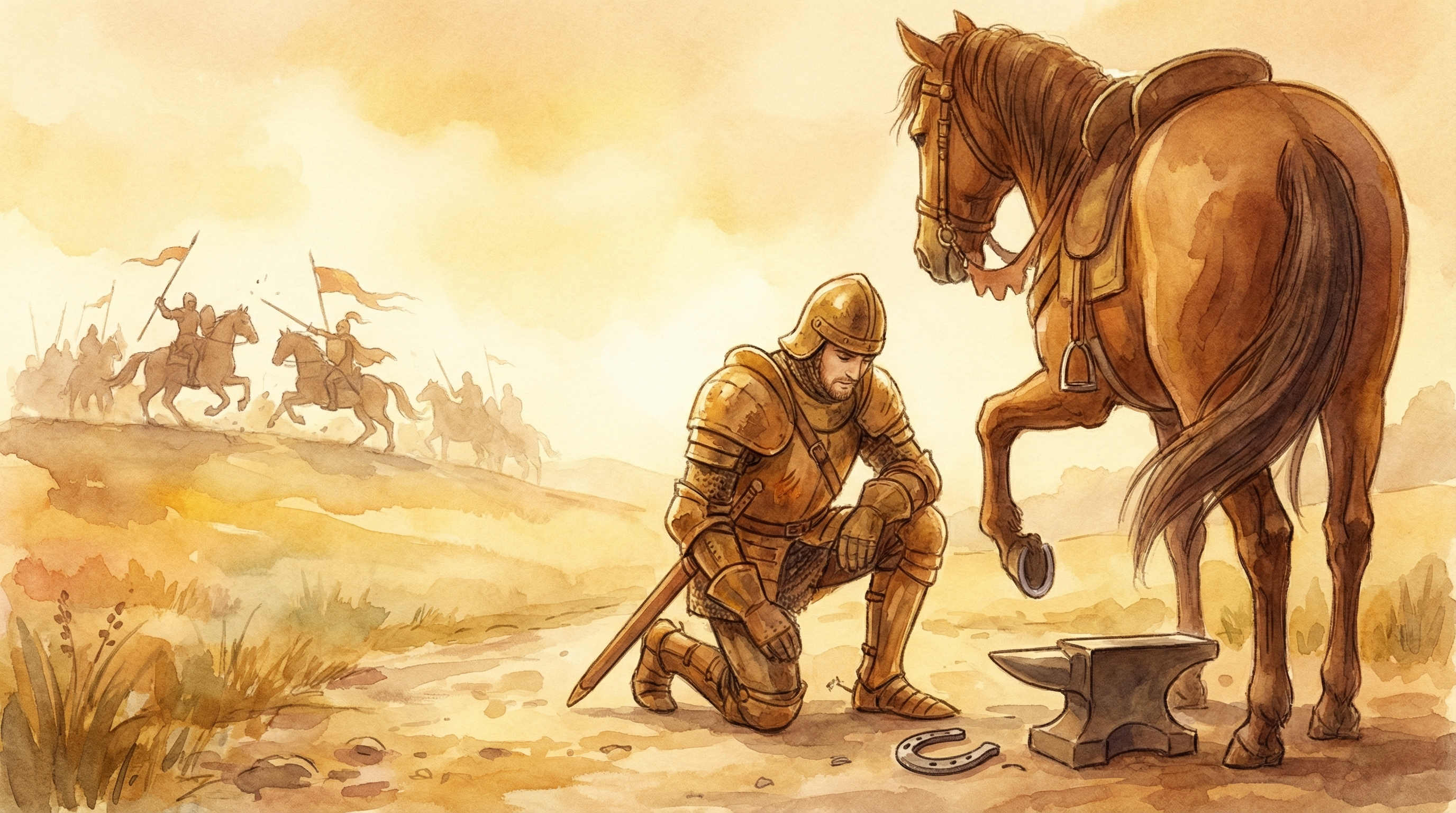
"The Bonnie Banks O' Loch Lomond" is a traditional Scottish song rooted in one of the most tragic episodes in Scottish history: the Jacobite rising of 1745, which ended in catastrophic defeat at the Battle of Culloden in April 1746. The song is written in Scots, a West Germanic language distinct from both English and Scottish Gaelic, and draws on the deep emotional aftermath of that defeat.
The central image — "O ye'll tak' the high road and I'll tak' the low road" — is widely interpreted as the lament of a Scottish soldier facing execution. The "low road" refers to the path taken by a spirit returning home beneath the earth after death; the "high road" is the physical road that his surviving companion will walk. The two will never meet again in life, though the spirit may return to Scotland's beloved loch before the living man arrives.
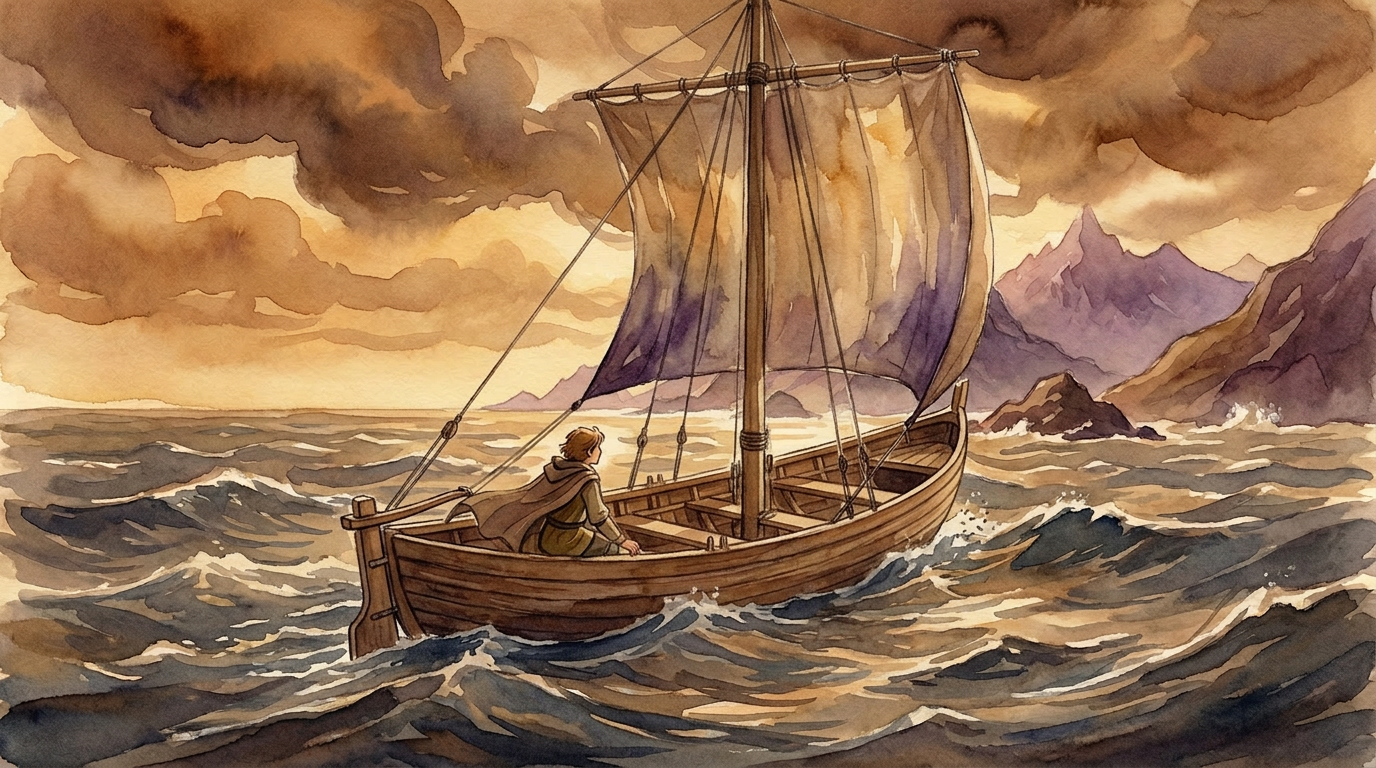
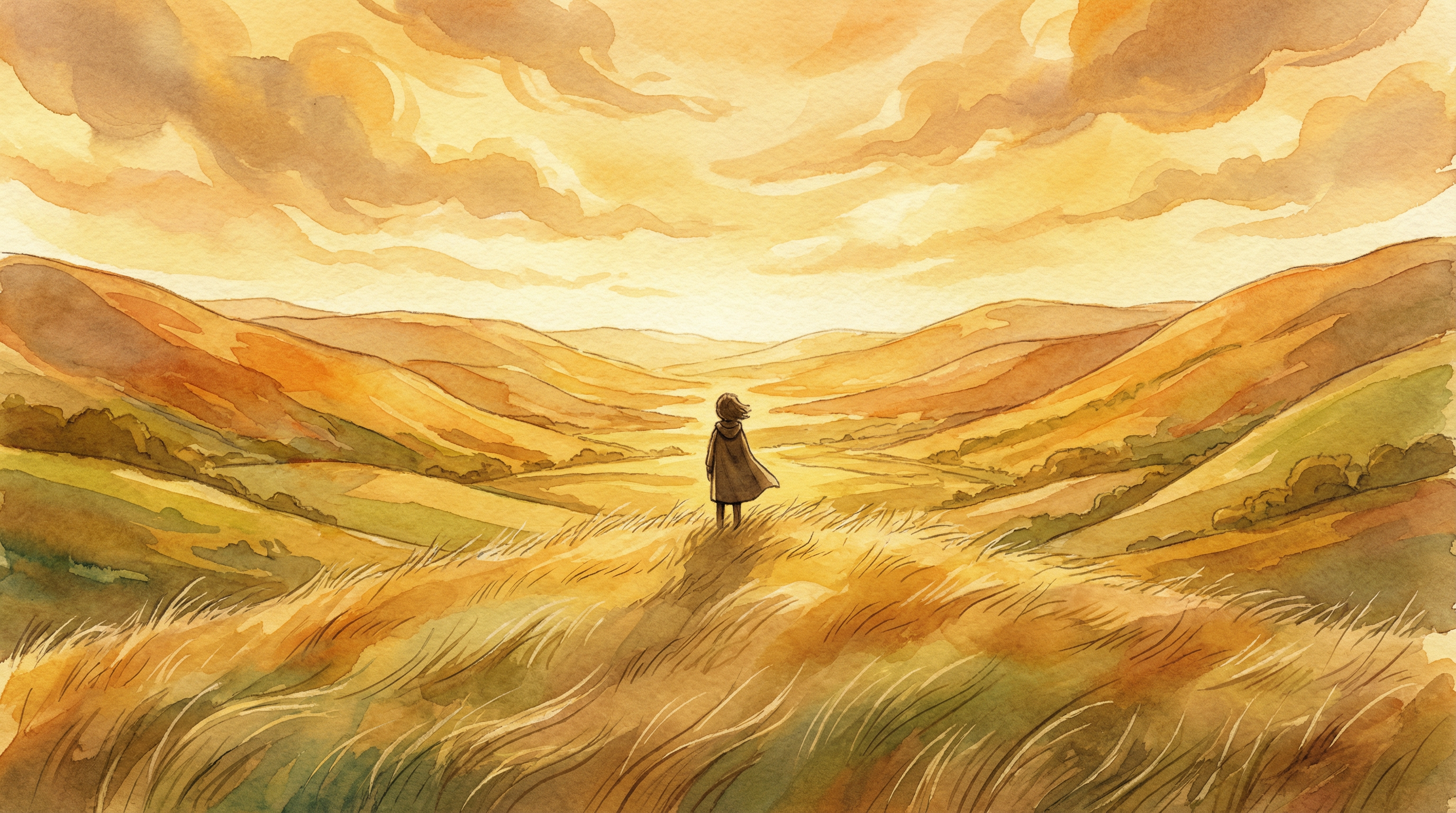
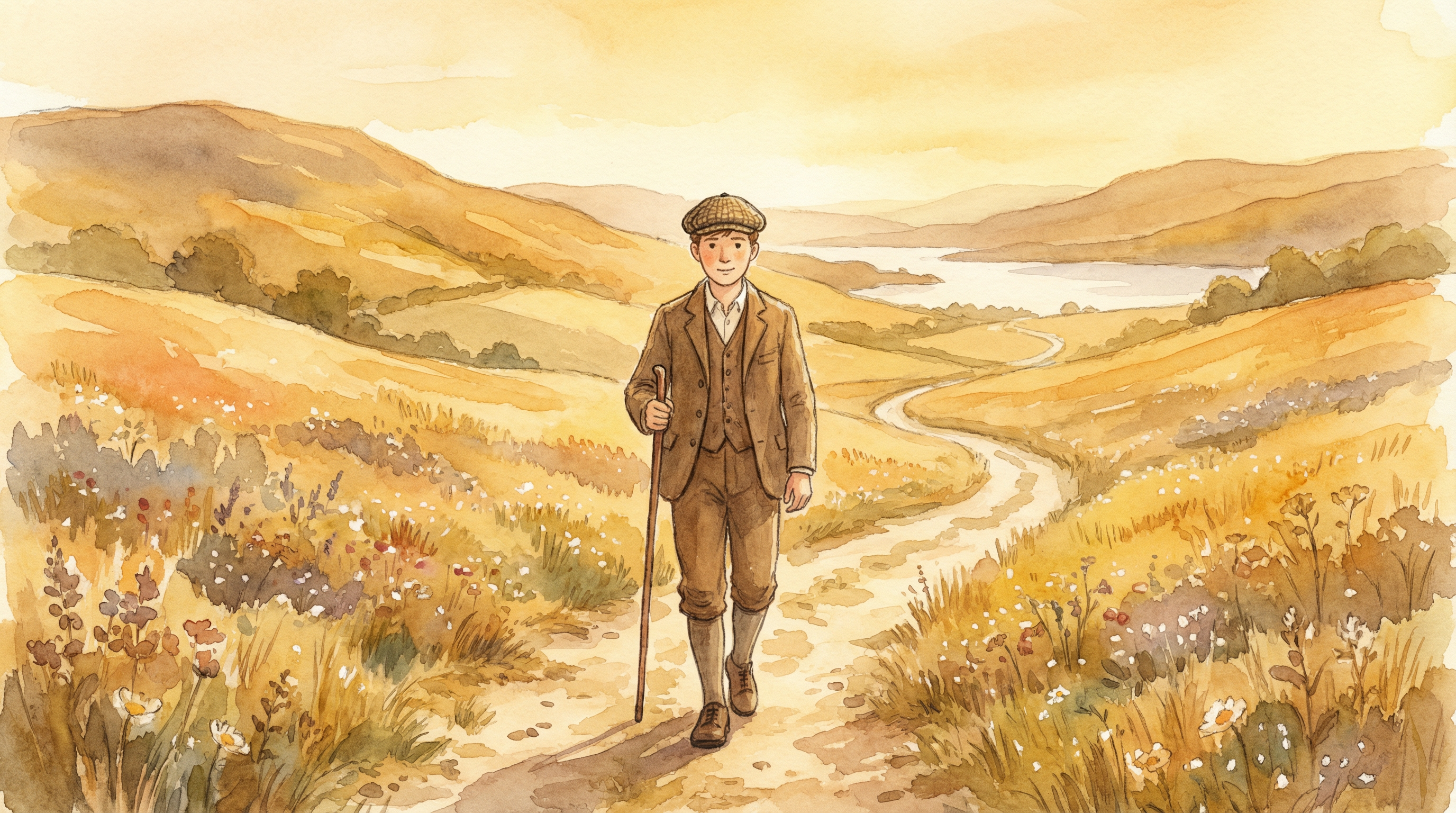
Loch Lomond itself is a real and breathtaking stretch of water on the boundary between the Scottish Lowlands and the Highlands, and the song's landscape — Ben Lomond's steep sides, the purple heather, the gloaming — is rendered with genuine tenderness.
The song has endured for nearly three centuries as an expression of longing, loss, and love of the Scottish landscape. Our orchestral arrangement, produced by Ian Watts and Rick Benbow, honours that emotional weight with a lush, folk-inspired setting.
Historical background sourced from Wikipedia.