Listen
Arrangement: Ian J. Watts / Mike Wilbury · Singalongasong Band / ClassicRocks
Lyrics
Do do, baby do,
Now my babe to sleep will go,
Do do, baby do,
Now my babe to sleep will go,
(Sun up)
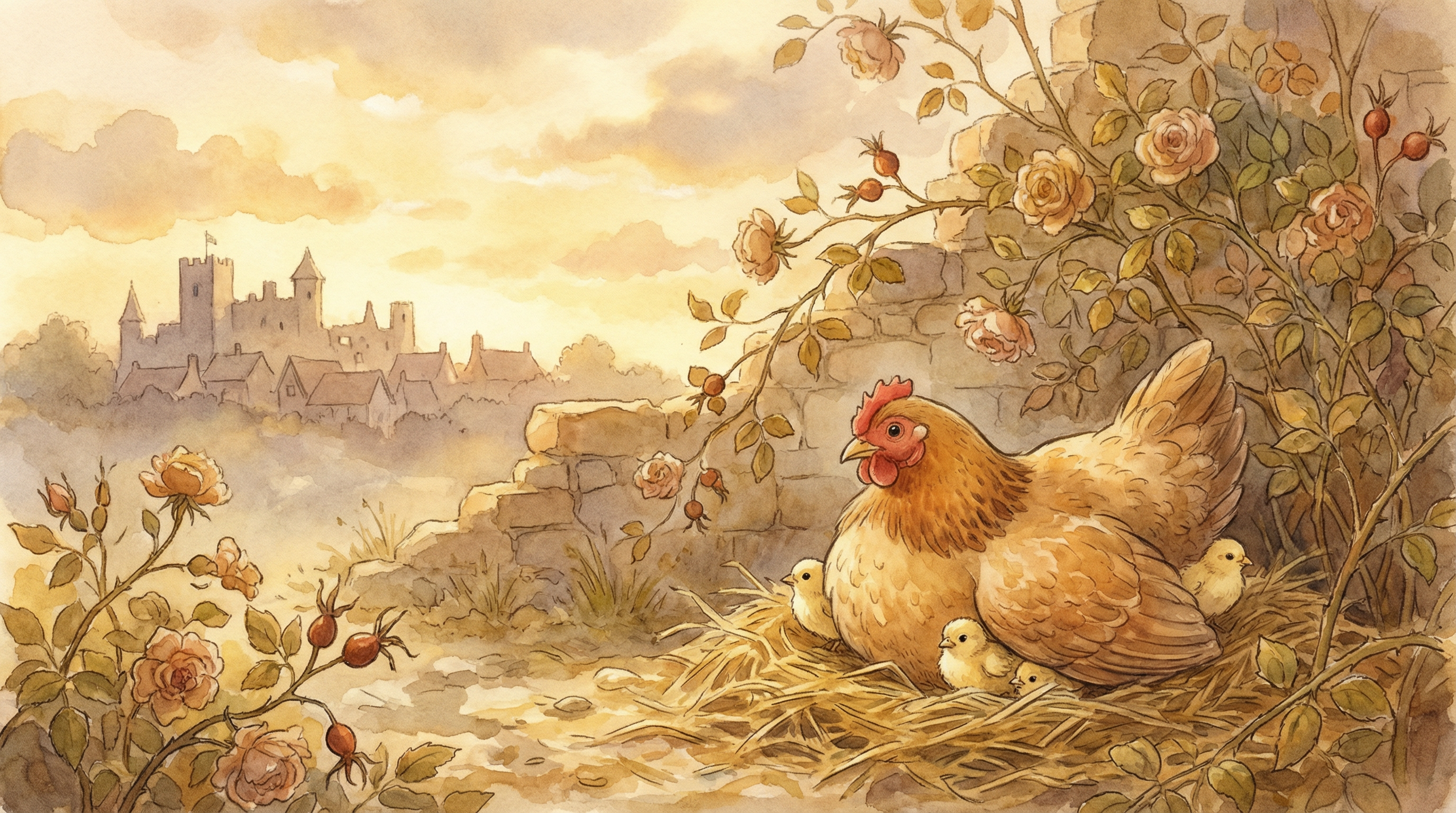
Daddy old hen dozes,
(It's time)
Over ‘neath the roses,
(Your chicks, for you)
Tiny chicks she'll have for you,
(asleep, as babies do)
If you sleep as babies do.
Planning for this moment,
(The moment of her life),
A family for the future,
(A family to enjoy).
Do do, baby do,
Now my babe to sleep will go,
Do do, baby do,
Now my babe to sleep will go,
Do do, baby do,
Now my babe to sleep will go,
Do do, baby do,
Now my babe to sleep… will go,
I said Do do,
Chickens are a sleeping,
I said Do do,
Oh rest oh baby mine,
I said Do do,
Ooh chickens are a sleeping,
I said Do do, Do do, Do do,
Oh rest oh baby mine,
Oh Do do, Do do, Do do,
Yeah chickens are a sleeping,
Oh Do do, I said Do do, Do do,
Traditional lyrics — public domain. Arrangement © Singalongasong Band / ClassicRocks.
History & Background
History & Origin
"Do Do Baby Do" is a gentle lullaby in the tradition of bedtime songs that use the imagery of the natural world — drowsy hens beneath roses, chicks settling for the night — to create a sense of warmth and safety around the baby being put to sleep.
The lullaby tradition is among the oldest forms of human music. Before any written record, parents and carers were singing to infants, using the combined effects of melody, rhythm, and the human voice to soothe and settle. Archaeological and anthropological evidence suggests that lullabies exist in every known human culture, making them one of the most universal musical forms.
What unites lullabies across cultures is their function: they are songs designed to slow a baby's arousal, to transition a child from wakefulness to sleep. Research in developmental psychology has confirmed what parents have always known — that singing to babies promotes secure attachment, reduces cortisol levels, and can help establish regular sleep patterns.
"Do Do Baby Do" belongs to a specific type of lullaby that grounds its reassurance in domestic images from the natural world: the sleeping hen, the chicks settling under her wings, the roses outside the window. This kind of imagery speaks to a pre-industrial world in which the rhythms of the farmyard and the garden set the rhythm of the household day.
The song's gentle, repetitive structure — "do do" is both a nonsense refrain and an instruction to sleep — makes it easy to sing softly and slowly at the end of a busy day. Our recording captures this intimate, hushed quality perfectly.