Listen
Arrangement: Ian J. Watts / Mike Wilbury · Singalongasong Band / ClassicRocks
Lyrics
Go tell Aunt Rhody,
Go tell Aunt Rhody,
Go tell Aunt Rhody
The old gray goose is dead.
The one she's been saving,
The one she's been saving,
The one she's been saving
To make a feather bed.
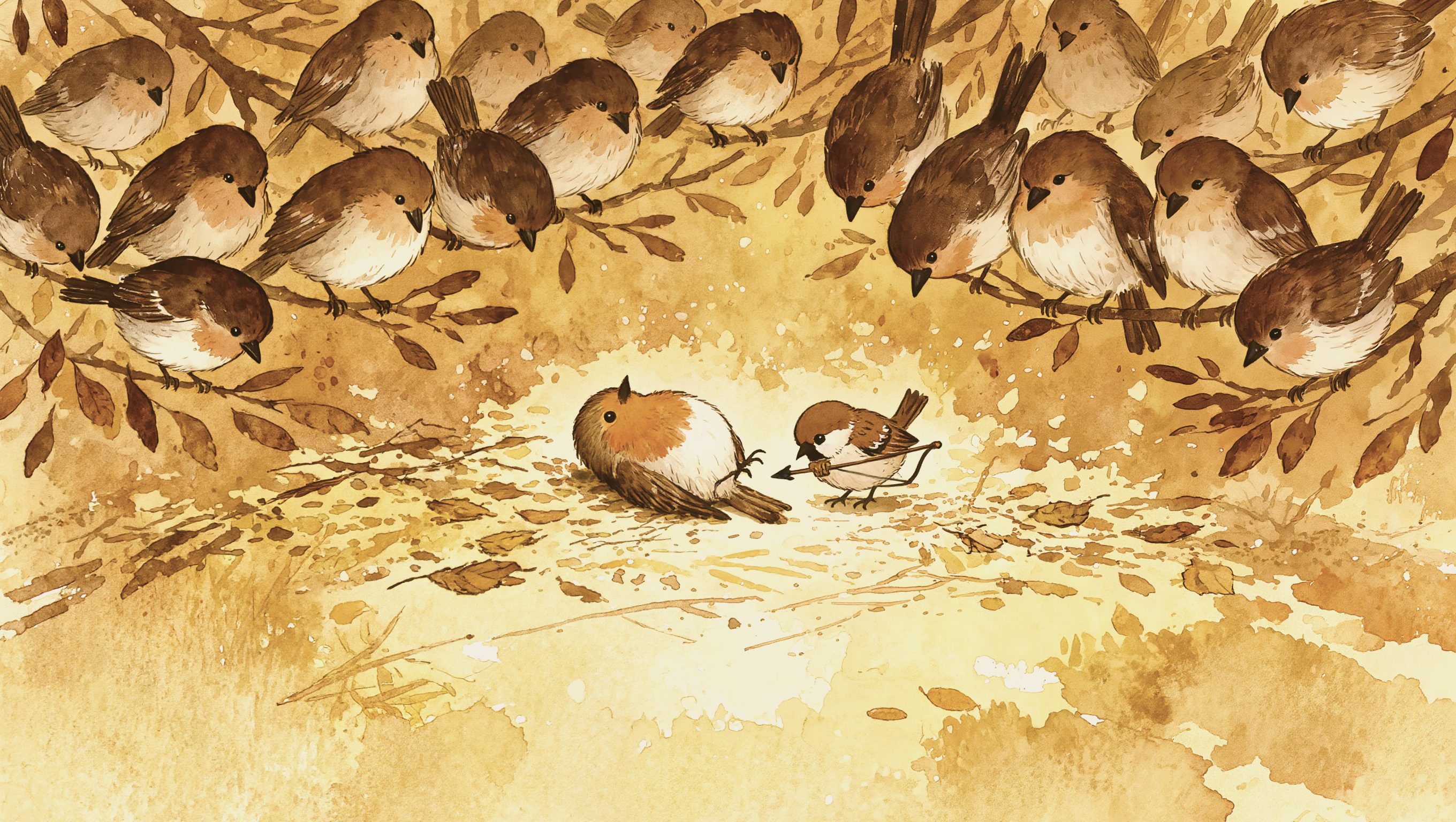
The goslings are cryin’,
The goslings are cryin’,
The goslings are cryin’,
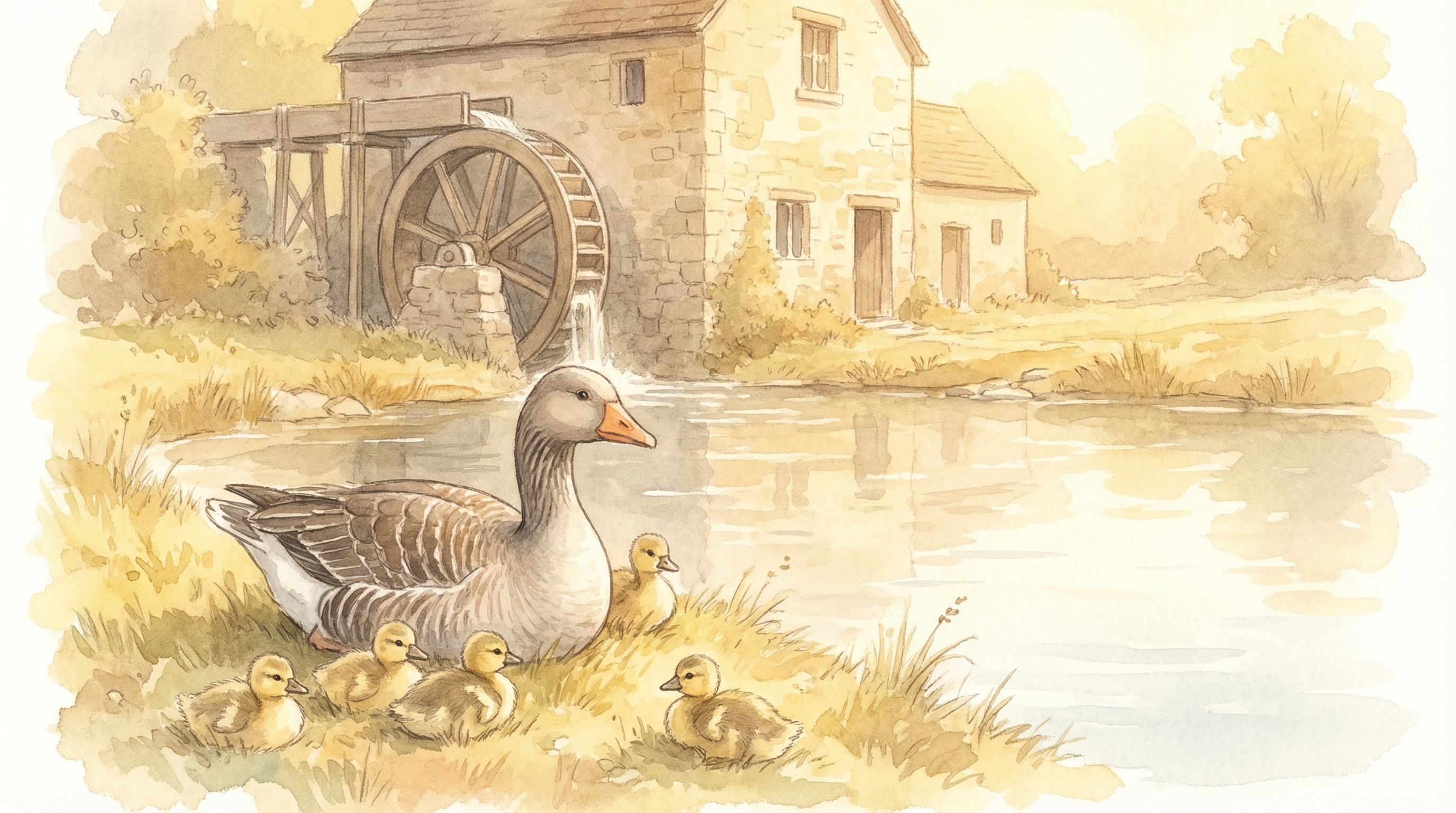
Because their mammy’s dead.
She died in the mill pond,
She died in the mill pond,
She died in the mill pond
From standing on her head.
So Go tell Aunt Rhody,
Go tell Aunt Rhody,
Go tell Aunt Rhody
The old gray goose is dead.
Traditional lyrics — public domain. Arrangement © Singalongasong Band / ClassicRocks.
History & Background
History & Origin
"Go Tell Aunt Rhody" is a traditional American folk song, most widely associated with the Southern Appalachian tradition, though it has been collected across the United States. Its subject is simple and gently melancholy: the old grey goose is dead, the one Aunt Rhody had been saving to make a featherbed, and someone must go and tell her.
The song's tune has an interesting scholarly footnote. Several musicologists have noted its similarity to a melody from an unfinished opera by the French philosopher Jean-Jacques Rousseau (1712–1778). Rousseau, who was a passionate advocate of simple folk melody over elaborate operatic style, wrote an opera called "Le Devin du Village" in 1752, and the tune in question appears in that work. Whether the American folk song derives from Rousseau's melody or shares a common ancestor with it remains debated.
In American usage, "Aunt Rhody" is a stock figure — a familiar, domestic presence, an aunt of the kind who keeps geese for their feathers. The song's details are quietly realistic: the goslings are crying, the old gander is mourning, the goose died in the millpond standing on her head. This final detail has the specific, observed quality of actual animal death rather than stylised sentiment.
The song has been used as a teaching piece for generations of beginning guitar and banjo players, as its simple melody and limited range make it ideal for beginners. It has been recorded by folk artists from Pete Seeger to Doc Watson, and appears in countless American folk song collections.
Our recording gives it a gentle, pastoral quality that honours the song's folk roots.