Listen
Arrangement: Ian J. Watts / Mike Wilbury · Singalongasong Band / ClassicRocks
Lyrics
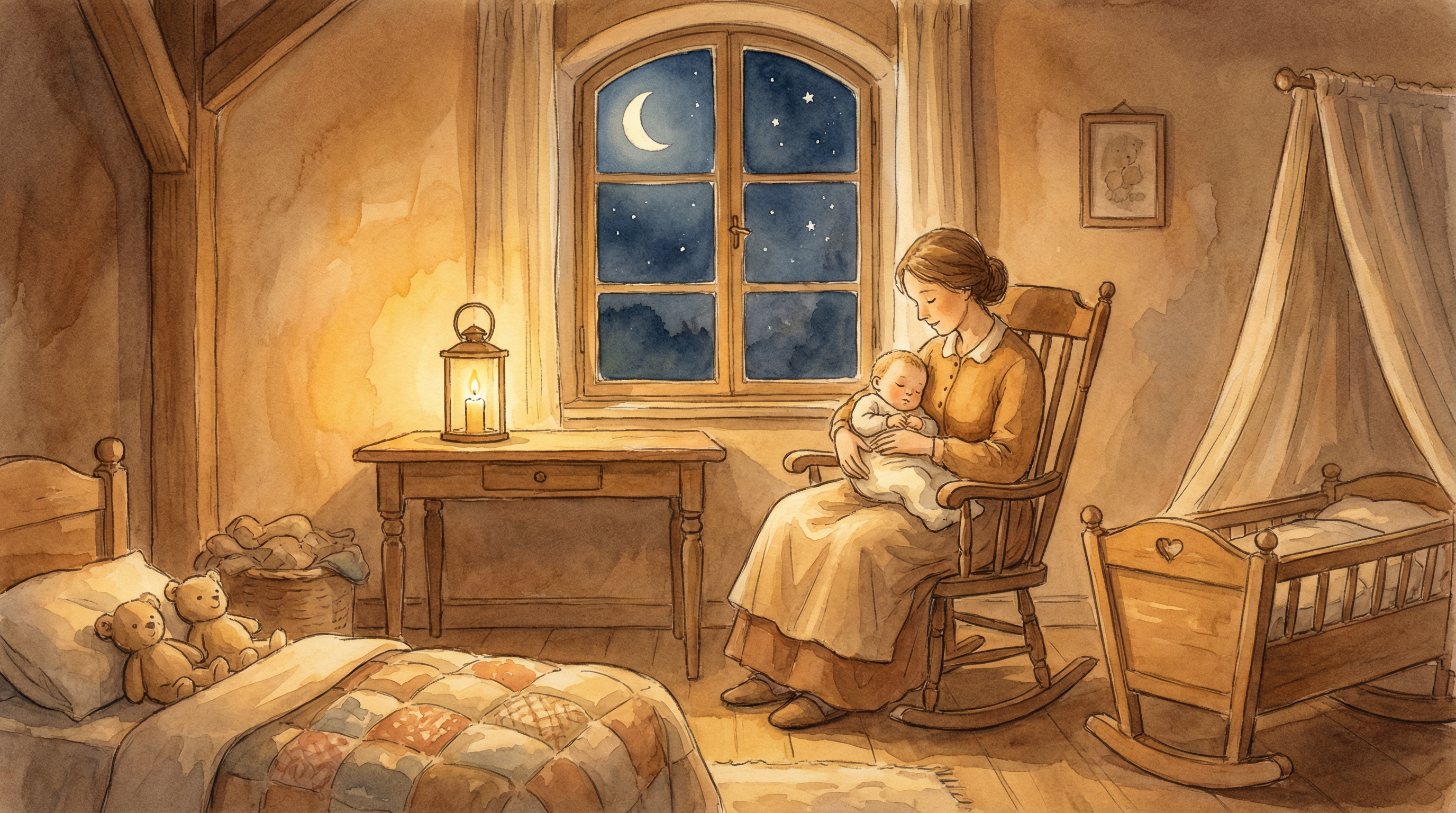
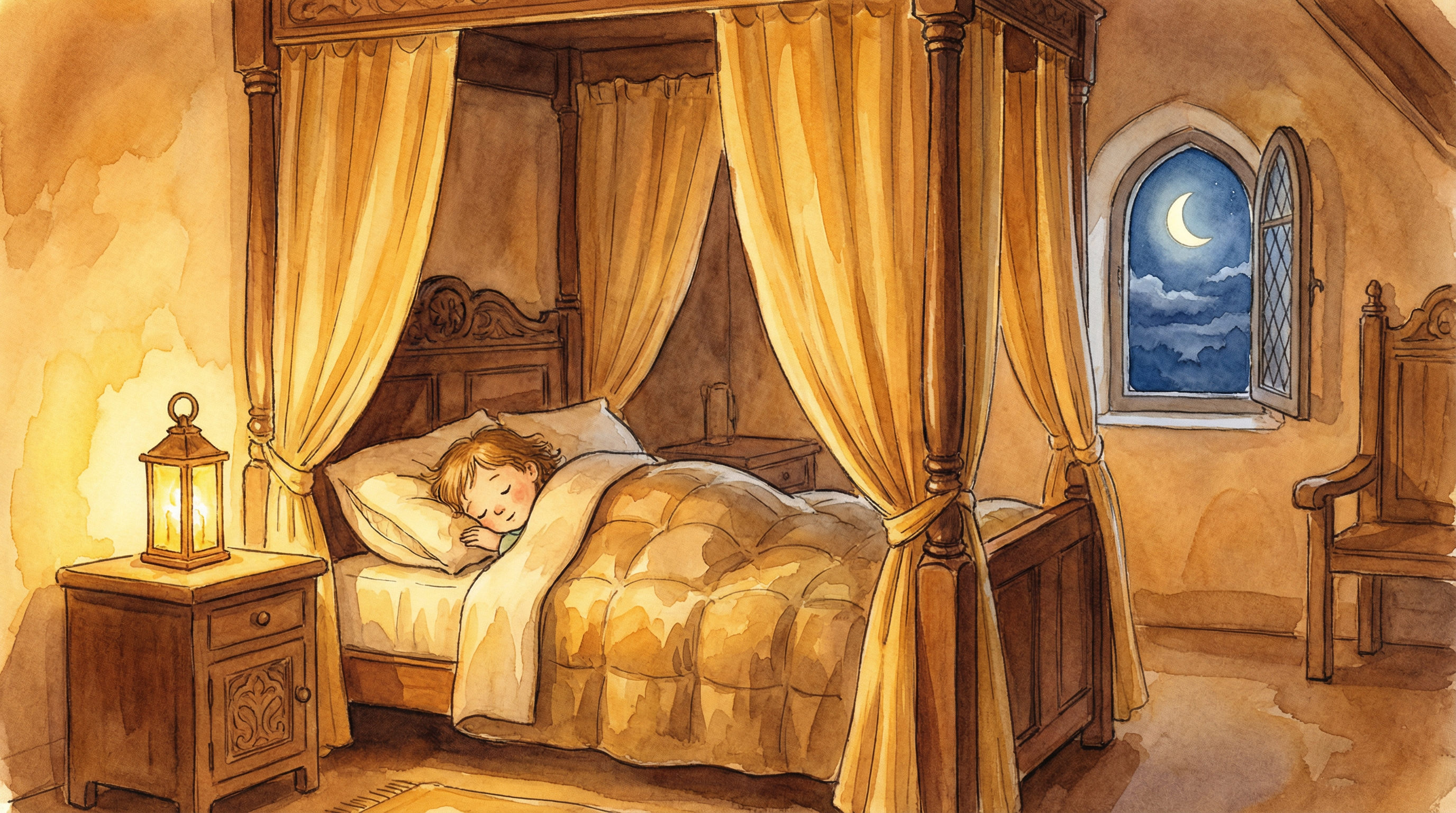
Golden slumbers kiss your eyes,
Smiles await you when you rise.
Sleep, pretty baby,
Do not cry,
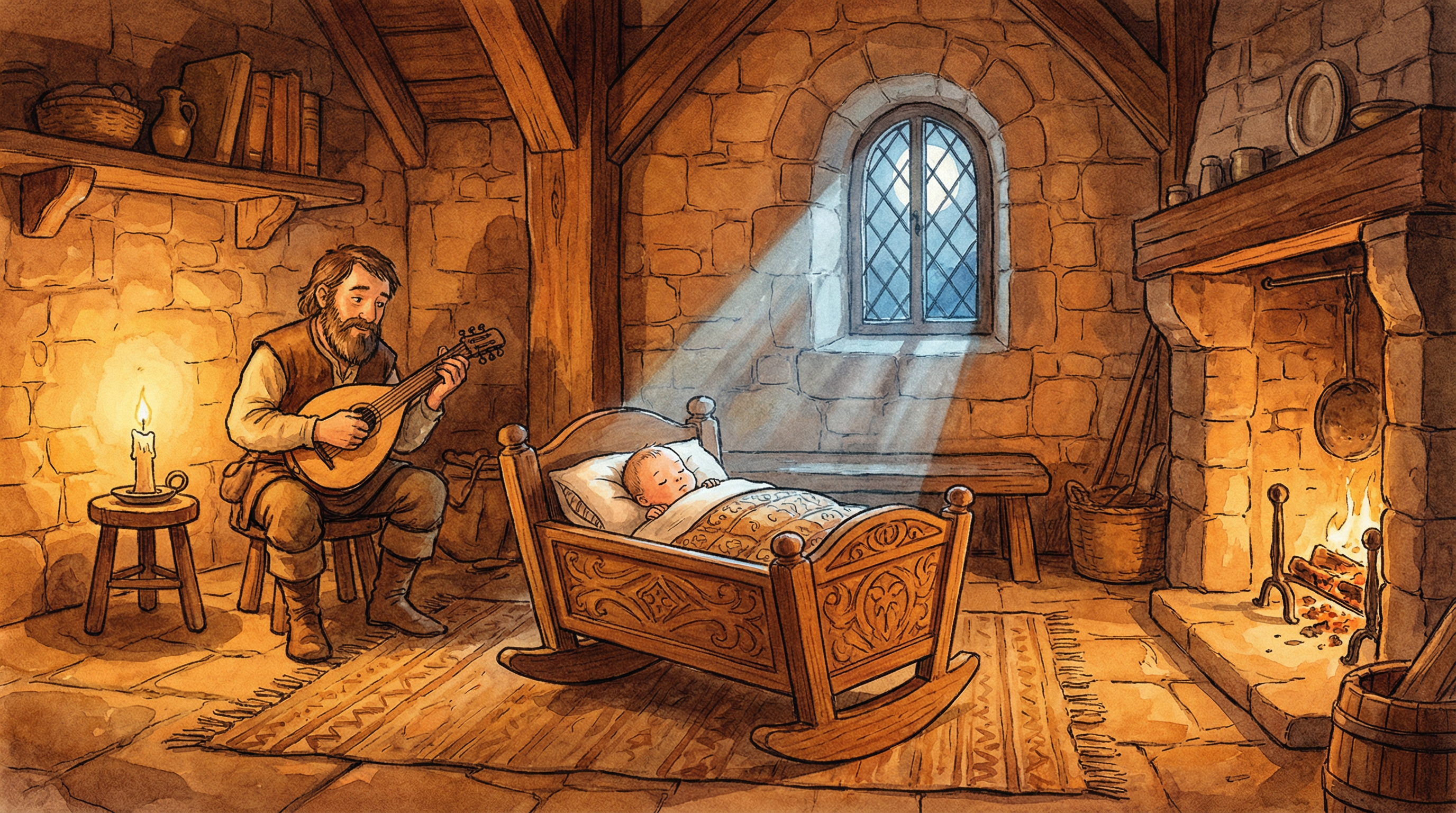
And I will sing a lullaby.
Care you know not,
Therefore sleep,
While I o'er you watch do keep.
Sleep, pretty baby,
Do not cry,
And I will sing a lullaby.
Dream the dream you long to dream,
Of all the wonderful things you've seen,
Wipe away teardrops
From those cheeks
And I will sing you ‘till you sleep.
Golden slumbers kiss your eyes,
Smiles await you when you rise.
Sleep, pretty baby,
Do not cry,
And I will sing a lullaby.
Additional lyrics by Ian Watts
Traditional lyrics — public domain. Arrangement © Singalongasong Band / ClassicRocks.
History & Background
History & Origin
"Golden Slumbers" has one of the most distinguished literary pedigrees of any song in this collection. It was written by the English playwright and pamphleteer Thomas Dekker (c.1572–1632), published in his play "Patient Grissel" in 1603. Dekker based the lyric on a Latin lullaby, adapting it into the English verse we know today: "Golden slumbers kiss your eyes, smiles awake you when you rise."
The play is long forgotten; the lullaby is immortal. Dekker's lyric combines two beautiful ideas: that sleep is itself golden — precious, welcome, a gift — and that the smiles waiting at the other end of sleep (the child waking happy) are what makes the lullaby worth singing. It is a deeply optimistic vision of sleep as transition rather than absence.
The song entered public consciousness far beyond its Elizabethan origins in 1969, when Paul McCartney set a new melody to Dekker's words for the Abbey Road medley. McCartney has said he found the words in a song book belonging to his stepsister and could not read the original music, so he composed his own tune. The result was one of the most beloved tracks on one of the most beloved albums ever made, introducing Dekker's words to a generation with no idea they were quoting an Elizabethan playwright.
The version in our recording restores the song to its nursery context, using an arrangement that captures the warmth and peace of the original lullaby without competing with the famous Beatles version. It is a song that has earned its place in the repertoire twice over — once in 1603, once in 1969.