If You're Happy and You Know It
Clap your hands and stamp your feet — happiness expressed in action
Listen
Arrangement: Ian J. Watts / Mike Wilbury · Singalongasong Band / ClassicRocks
Lyrics
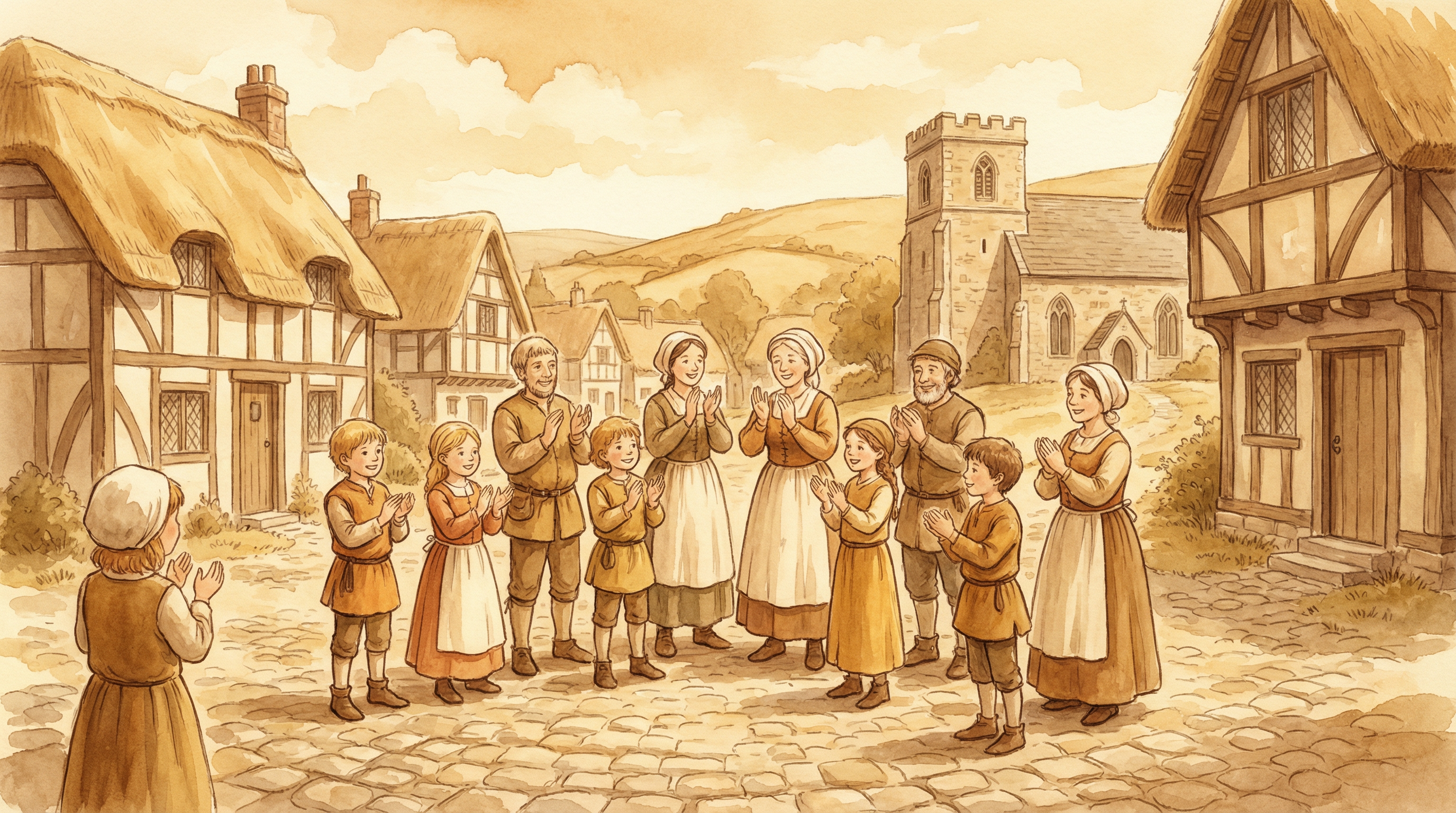
If you're happy and you know it, clap your hands,
If you're happy and you know it, clap your hands,
If you're happy and you know it,
And you really want to show it,
If you're happy and you know it, clap your hands.
If you're happy and you know it, stamp your feet,
If you're happy and you know it, stamp your feet,
If you're happy and you know it,
And you really want to show it,
If you're happy and you know it, stamp your feet.
If you're happy and you know it, shout hooray,
If you're happy and you know it, shout hooray,
If you're happy and you know it,
And you really want to show it,
If you're happy and you know it, shout hooray.
If you're happy and you know it, do all three,
If you're happy and you know it, do all three,
If you're happy and you know it,
And you really want to show it,
If you're happy and you know it, do all three.
Traditional lyrics — public domain. Arrangement © Singalongasong Band / ClassicRocks.
History & Background
History & Origin
"If You're Happy and You Know It" is an action song with a long and somewhat complicated history. The melody is related to a Latvian folk song, and versions of the English lyrics appear to have been circulating in America from at least the 1940s. Frank Loesser and various other songwriters have been credited with the English version, though no single author has been definitively established.
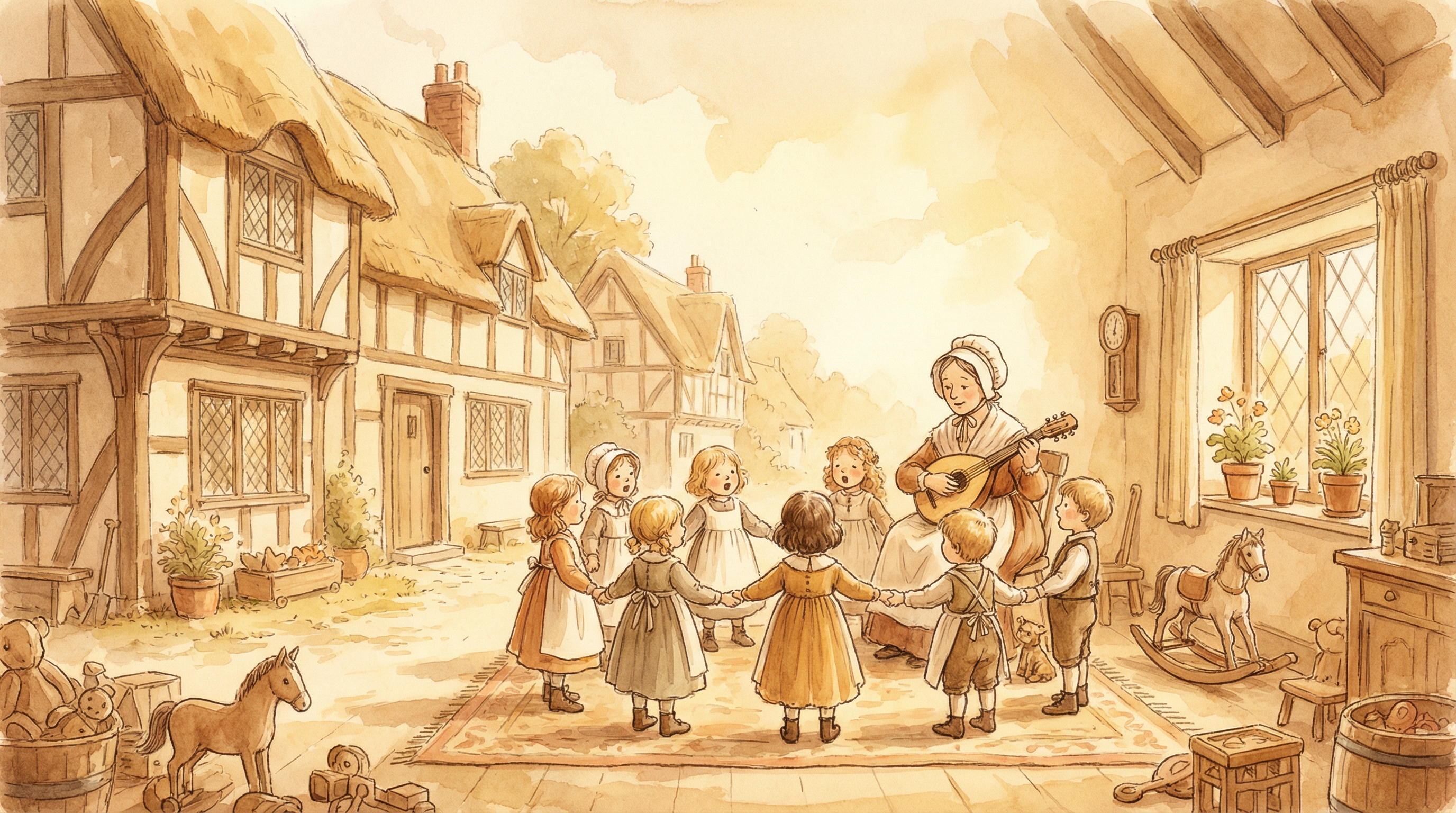
The song belongs to the tradition of action songs designed to get children physically engaged: each verse prescribes a specific action — clapping hands, stamping feet, shouting hooray — that children perform as they sing. The cumulative final verse, which asks them to do all three at once, creates a satisfying burst of collective noise and movement.
The underlying philosophy of the song is charmingly direct: happiness is something you demonstrate through action, not something you merely feel. "And you really want to show it" is a key line — it acknowledges that the expression of happiness matters, that joy shared and made visible is more complete than joy kept quiet.
The song is enormously adaptable, with performers adding new verses — nodding your head, turning around, doing all five — according to the energy and attention of the group. Our arrangement keeps it clean and lively, with enough momentum to carry the children through all four verses.