Listen
Arrangement: Ian J. Watts / Mike Wilbury · Singalongasong Band / ClassicRocks
Lyrics
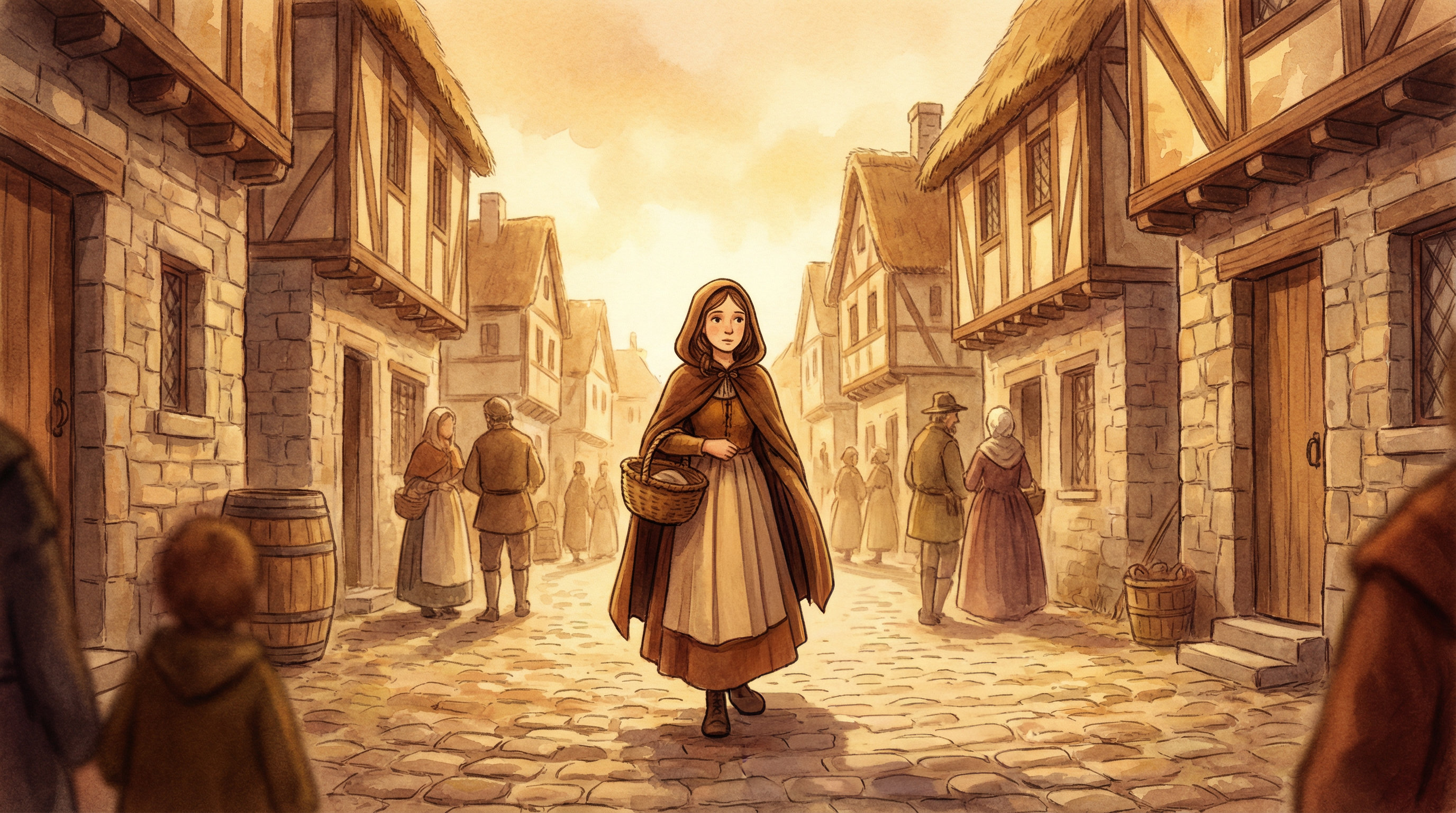
In Dublin's fair city,
Where the girls are so pretty,
I first set my eyes on sweet Molly Malone,
As she wheeled her wheel-barrow,
Through streets broad and narrow,
Crying, "Cockles and mussels, alive, alive, oh!"
"Alive, alive, oh,
Alive, alive, oh",
Crying, "Cockles and mussels, alive, alive, oh."
She was a fishmonger,
But sure 'twas no wonder,
For so were her father and mother before,
And they each wheeled their barrow,
Through streets broad and narrow,
Crying, "Cockles and mussels, alive, alive, oh!"
"Alive, alive, oh,
Alive, alive, oh",
Crying, "Cockles and mussels, alive, alive, oh."
She died of a fever,
And no one could save her,
And that was the end of sweet Molly Malone.
Now her ghost wheels her barrow,
Through streets broad and narrow,
Crying, "Cockles and mussels, alive, alive, oh!"
"Alive, alive, oh,
Alive, alive, oh",
Crying, "Cockles and mussels, alive, alive, oh."
Traditional lyrics — public domain. Arrangement © Singalongasong Band / ClassicRocks.
History & Background
History & Origin
"Cockles and Mussels", known universally as "Molly Malone" or by its opening line "In Dublin's Fair City", is Ireland's most celebrated street ballad and effectively the unofficial anthem of Dublin. A statue of Molly Malone with her wheelbarrow stands on Grafton Street, and "Molly Malone Day" is celebrated each year on 13 June.
The song was first published in 1884, with music attributed to James Yorkston of Cambridge, though oral versions may have existed earlier. Despite extensive research, no historical Molly Malone has been conclusively identified, and the character is generally regarded as a composite figure representing the street sellers who were a central part of Dublin's commercial life for centuries.
The ballad has a beautiful dramatic arc: Molly the fishmonger, working the same trade as her parents before her, dying of fever, and then continuing in death to wheel her barrow through the same streets she knew in life. The ghost who cries "alive, alive, oh" as she sells her shellfish is one of Irish literature's great bittersweet images.
Our folk arrangement honours the song's lyric quality and its place as one of the great ballads of the British Isles.