Michael Row the Boat Ashore
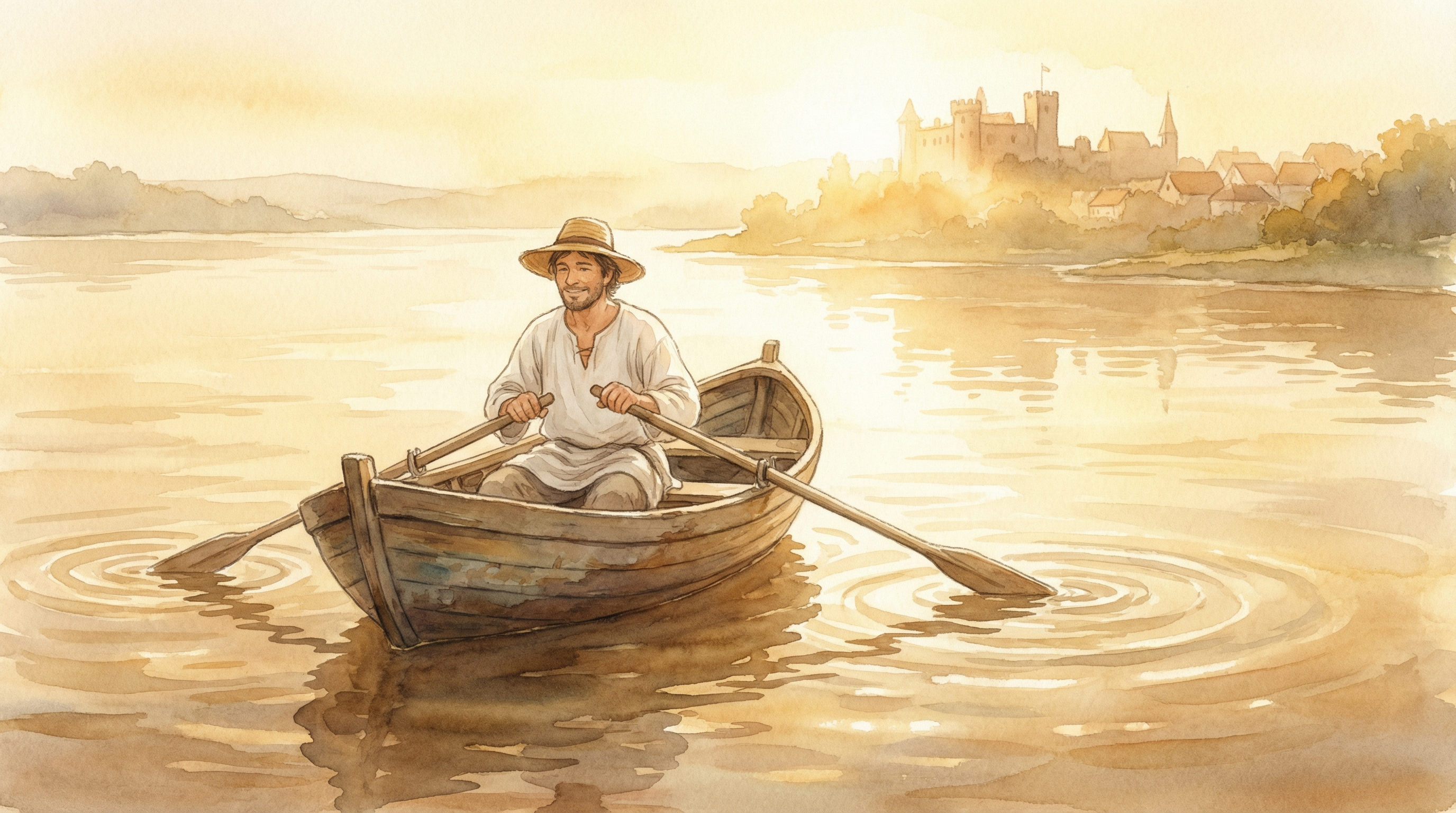
Hallelujah — rowing towards the promised land with milk and honey waiting
Listen
Arrangement: Ian J. Watts / Mike Wilbury · Singalongasong Band / ClassicRocks
Lyrics
Michael row the boat ashore, hallelujah!
Michael row the boat ashore, hallelujah!
My brothers and my sisters are all aboard, hallelujah.
My brothers and my sisters are all aboard, hallelujah.
Michael row the boat ashore, hallelujah!
Michael row the boat ashore, hallelujah!
Sister help to trim the sails, hallelujah!
Sister help to trim the sails, hallelujah!
Michael row the boat ashore, hallelujah!
Michael row the boat ashore, hallelujah!
The river is deep and the river is wide, hallelujah.
Milk and honey on the other side, hallelujah.
Michael row the boat ashore, hallelujah!
Michael row the boat ashore, hallelujah!
Jordan's river is chilly and cold, hallelujah.
Chills the body but warms the soul, hallelujah.
Michael row the boat ashore, hallelujah!
Michael row the boat ashore, hallelujah!
Traditional lyrics — public domain. Arrangement © Singalongasong Band / ClassicRocks.
History & Background
History & Origin
"Michael Row the Boat Ashore" is an African American spiritual that was first collected by Union soldiers in 1865, who heard it being sung by freed slaves on St. Helena Island, South Carolina. It was published that same year in Slave Songs of the United States, the first major collection of African American music, making it one of the earliest spirituals to be documented in print.
The song is built around the imagery of crossing the River Jordan — the Biblical boundary between the wilderness and the Promised Land — and rowing to the other shore. The "Michael" of the title is generally understood as the Archangel Michael, who in Jewish and Christian tradition acts as a guide for souls at the moment of death. The boat is thus a vessel carrying the soul from this world to the next.
"Milk and honey on the other side" echoes the Biblical description of Canaan as "a land flowing with milk and honey", the reward that awaits the faithful after the crossing. Jordan's river being "chilly and cold" but chilling the body while warming the soul suggests the paradox of death as both feared and anticipated.
The song became widely known during the folk revival of the late 1950s, when The Highwaymen recorded it in 1960 and took it to number one in the United States and the United Kingdom. It has been a children's music staple ever since.