My Grandfather's Clock
Ninety years on the floor — and it stopped the moment the old man died
Listen
Arrangement: Ian J. Watts / Mike Wilbury · Singalongasong Band / ClassicRocks
Lyrics
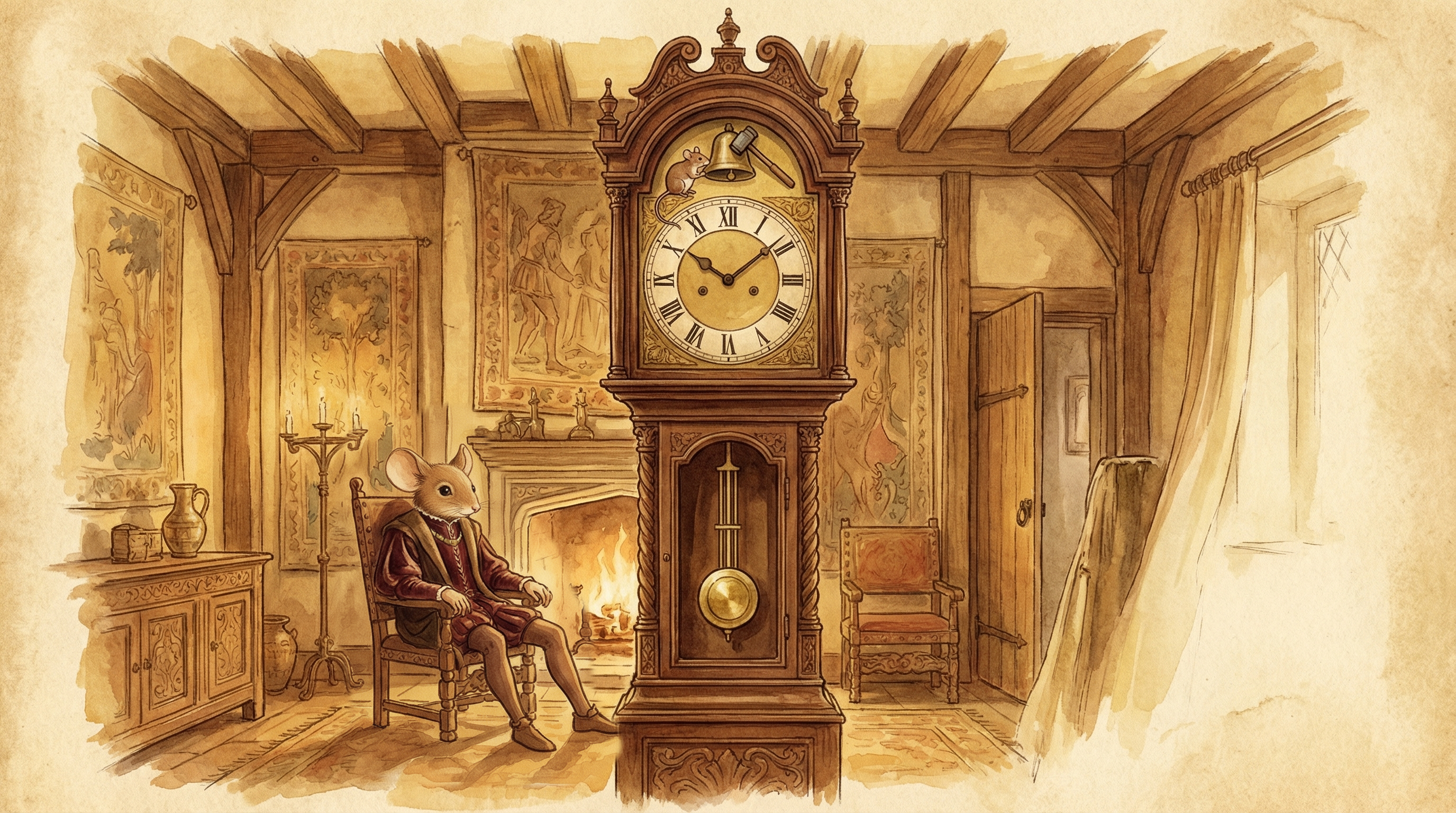
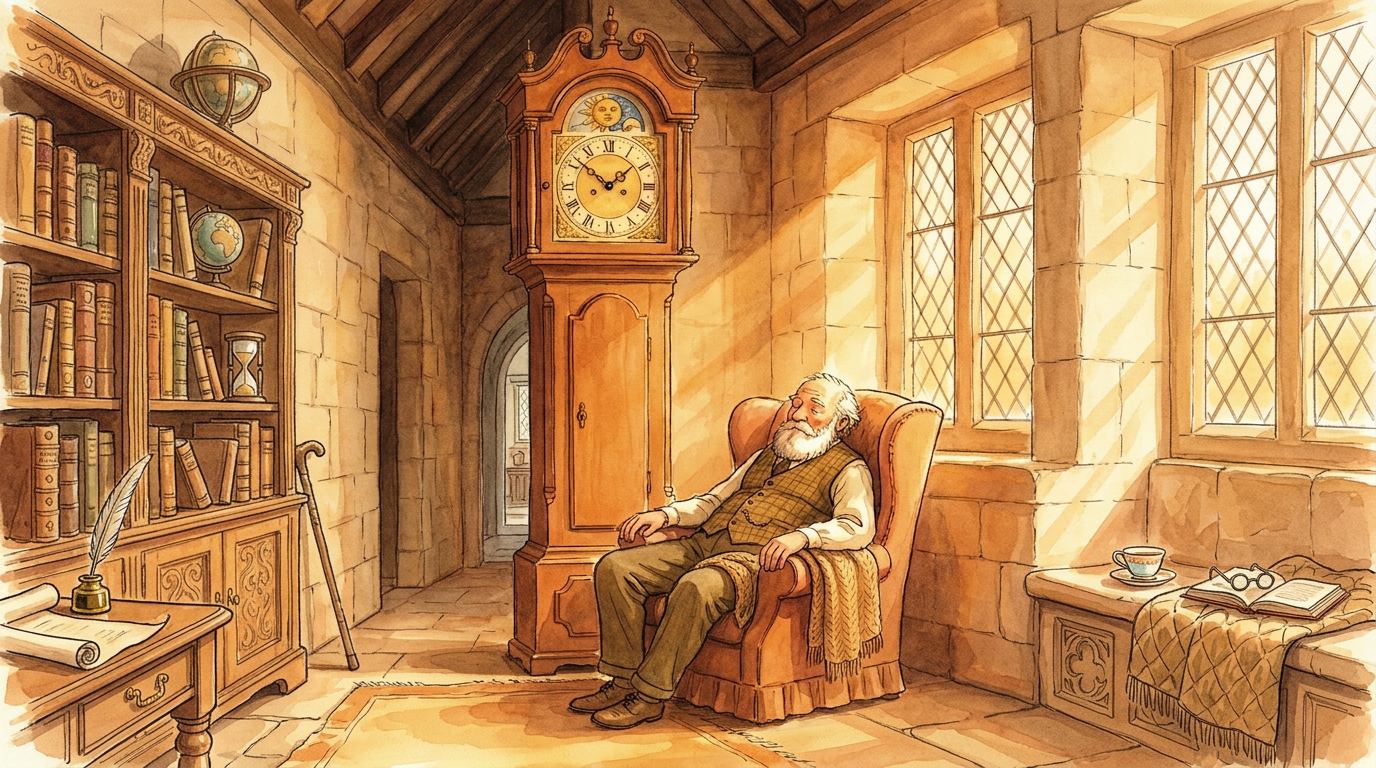
My grandfather's clock was too large for the shelf,
So it stood ninety years on the floor.
It was taller by half than the old man himself,
But it weighed not a pennyweight more.
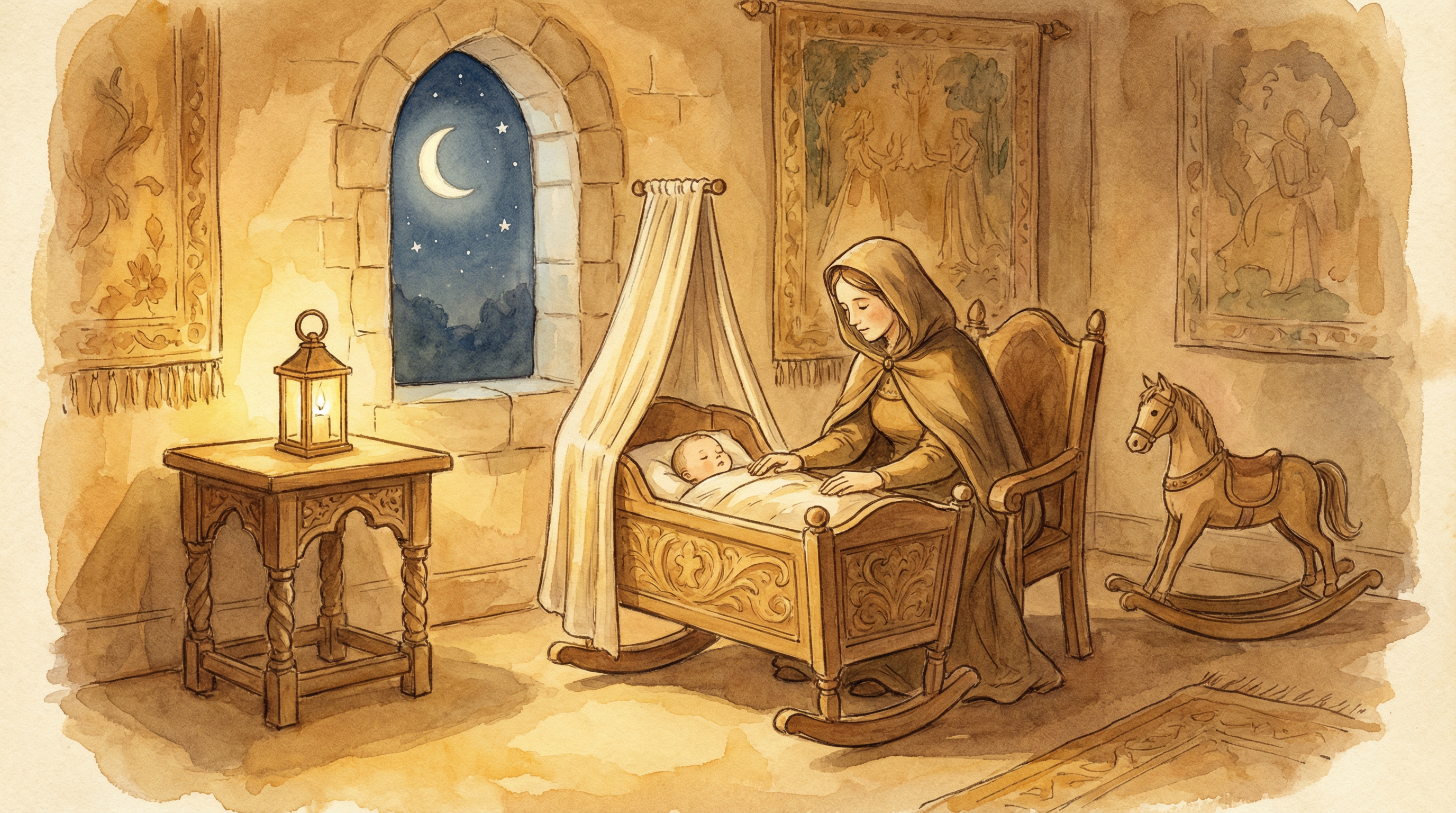
It was bought on the morn of the day that he was born,
And was always his treasure and pride,
But it stopped short, never to go again when the old man died.
Ninety years without slumbering,
Tick tock, tick tock,
His life seconds numbering,
Tick tock, tick tock,
It stopped short, never to go again when the old man died.
In watching its pendulum swing to and fro,
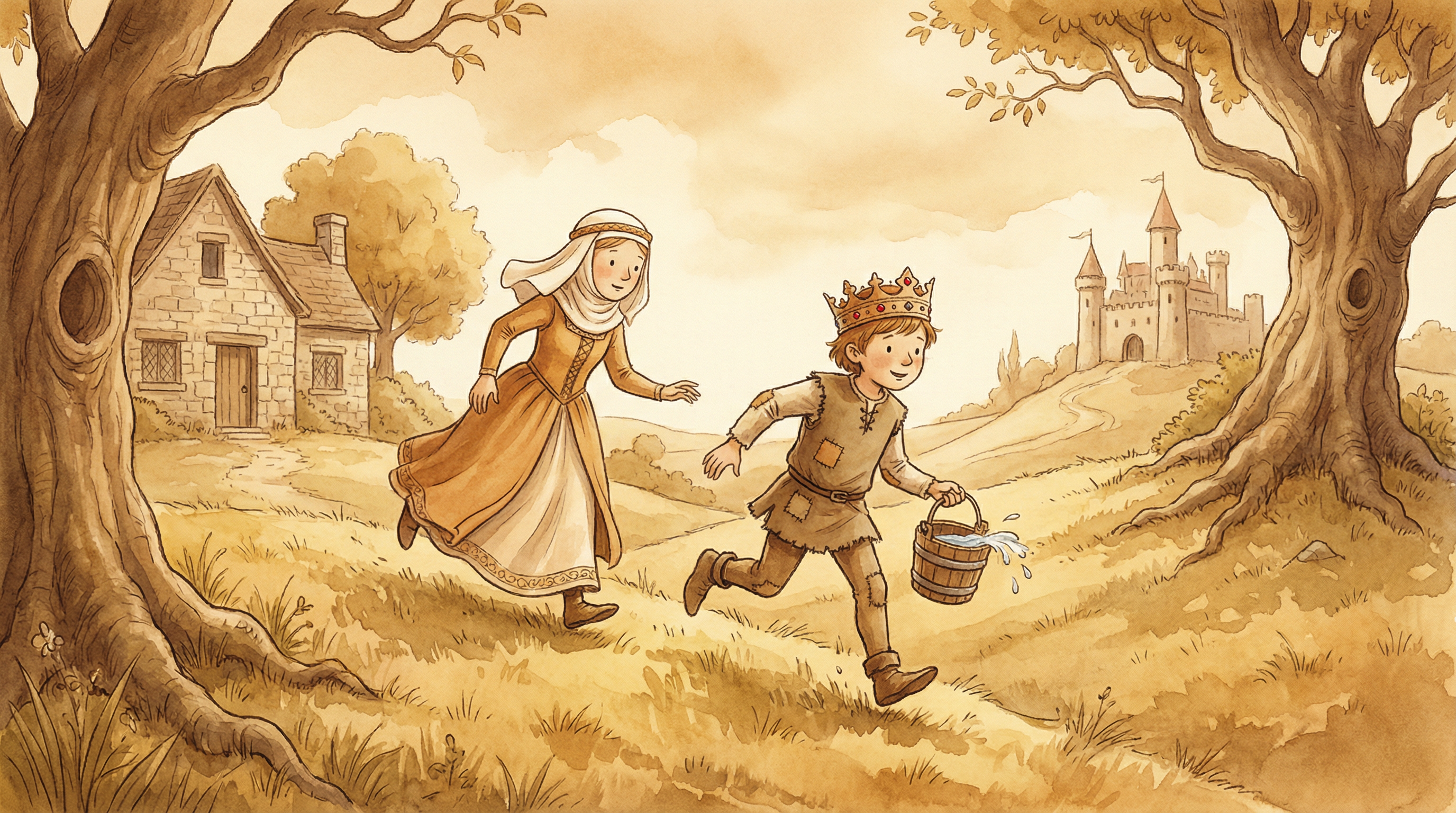
Many hours had he spent while a boy,
And in childhood and manhood the clock seemed to know
And to share both his grief and his joy.
For it struck twenty-four when he entered at the door
With a blooming and beautiful bride,
But it stopped short, never to go again when the old man died.
Ninety years without slumbering,
Tick tock, tick tock,
His life seconds numbering,
Tick tock, tick tock,
It stopped short, never to go again when the old man died.
My grandfather said that of those he could hire,
Not a servant so faithful he found,
For it wasted no time and had but one desire
At the close of each week to be wound.
And it kept in its place, not a frown upon its face,
And its hands never hung by its side,
But it stopped short, never to go again when the old man died.
Traditional lyrics — public domain. Arrangement © Singalongasong Band / ClassicRocks.
History & Background
History & Origin
"My Grandfather's Clock" was written by American songwriter Henry Clay Work and published in 1876. Work was the author of several enormously popular songs of the Civil War era, including "Marching Through Georgia", but "My Grandfather's Clock" proved his most lasting composition. The song reportedly inspired the term "grandfather clock" for a tall standing clock — the description in the song's first verse having passed so thoroughly into common usage that the instrument itself adopted the name.
The song's power lies in its central conceit: a clock that is linked so intimately with a man's life that it stops at the moment of his death. This is not metaphor but literal event in the song's narrative — the clock, purchased on the day of the grandfather's birth, simply ceases to function when he dies, as though its purpose was always and only to measure his particular span of time.
The detail is Victorian in its emotional directness: the clock shared his grief and his joy, it struck twenty-four to celebrate his wedding, it rang an alarm in the dead of night when his spirit was leaving. The clock is a surrogate for the grandfather himself, its ticking the sound of a life being lived second by second.
Work heard the story from a hotel owner in New York, who told him that the grandfather clock in his hotel lobby had stopped when one of the previous owners died and could never be made to run again. Work simply turned this ghost story into one of the great ballads of the century.