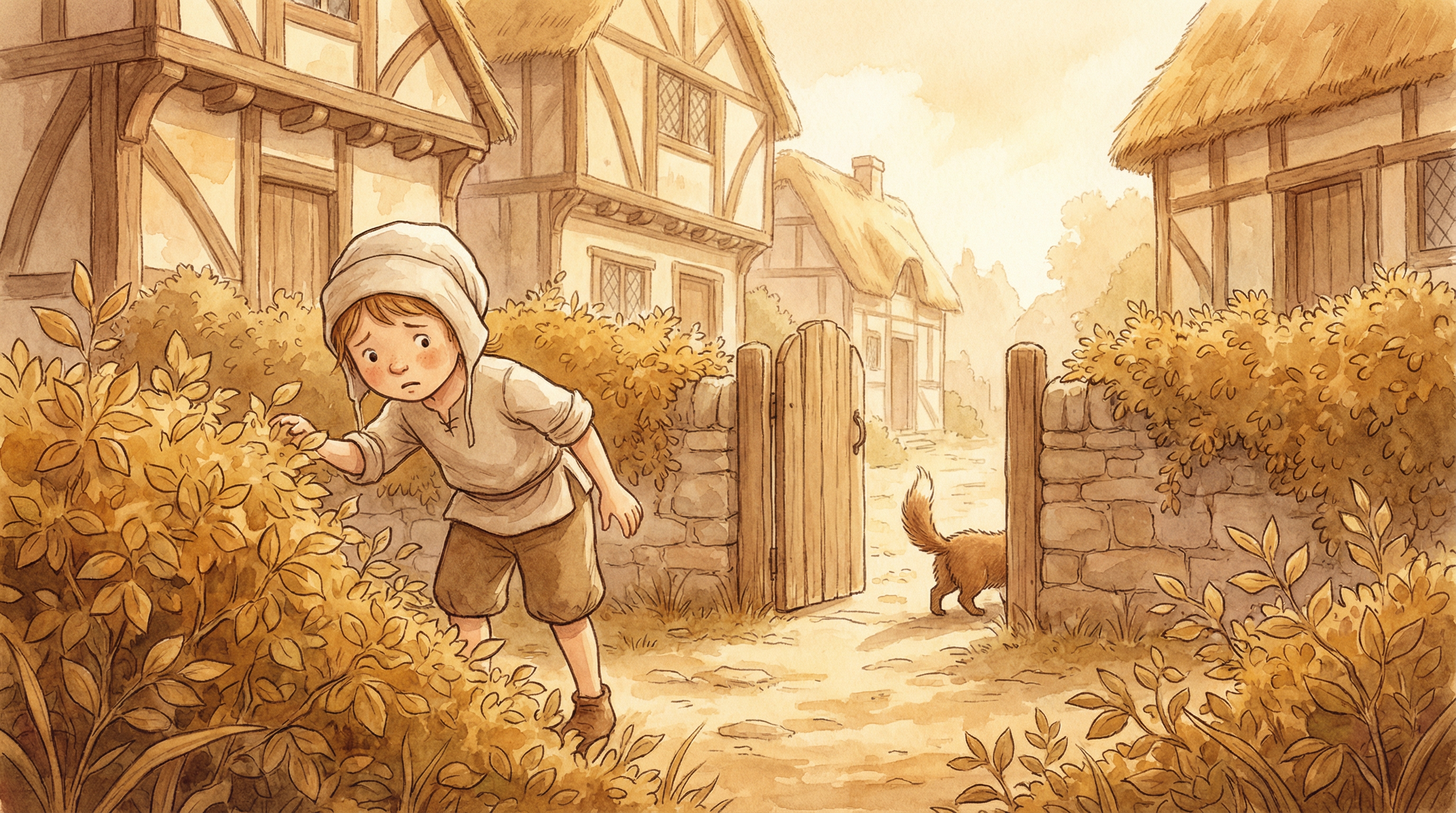
Oh Where, Oh Where Has My Little Dog Gone?
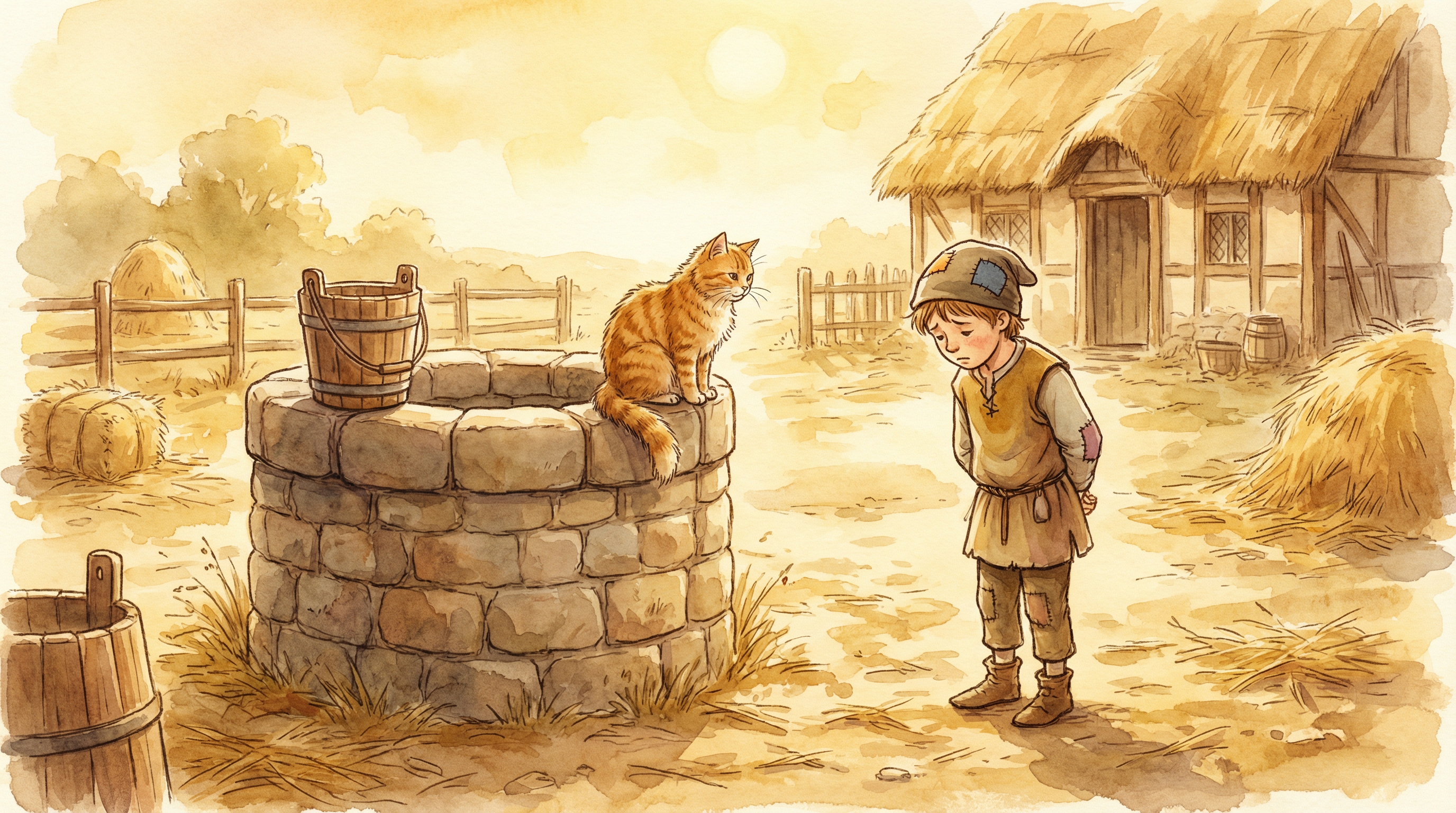
Ears cut short and tail cut long — where has the little dog wandered?
Listen
Arrangement: Ian J. Watts / Mike Wilbury · Singalongasong Band / ClassicRocks
Lyrics
Oh where, oh where has my little dog gone?
Oh where, oh where can he be?
With his ears cut short and his tail cut long,
Oh where, oh where can he be?
Traditional lyrics — public domain. Arrangement © Singalongasong Band / ClassicRocks.
History & Background
History & Origin
"Oh Where, Oh Where Has My Little Dog Gone?" is adapted from a German student song, "Zu Lauterbach hab' ich mein Strumpf verlorn" (At Lauterbach I lost my stocking), which was itself a popular drinking song. The American songwriter Sep Winner adapted it with new words around 1864, giving it the dog rather than the stocking and the instantly memorable description of "ears cut short and tail cut long".
The detail of the cropped ears and the long tail reflects nineteenth-century dog-grooming fashions: many working and sporting breeds had their ears and tails cropped or docked, and a dog described in these terms was a specific, recognisable type rather than a generic animal. The clipped ears and long tail also make the dog visually distinctive, which adds to the poignancy of not being able to find him — he should be easy to spot.
The song is short, almost abbreviated, with just the one verse in its most common form. This brevity gives it a quality of pure feeling without resolution: the question is asked but never answered, the dog is never found within the song's timeframe. The La la refrain in our arrangement extends the feeling of searching and not finding.
Despite its simple premise, the song has genuine emotional resonance. The specific love for a specific small animal, and the very particular description of its appearance, make it feel like a real loss rather than a generic scenario.