Listen
Arrangement: Ian J. Watts / Mike Wilbury · Singalongasong Band / ClassicRocks
Lyrics
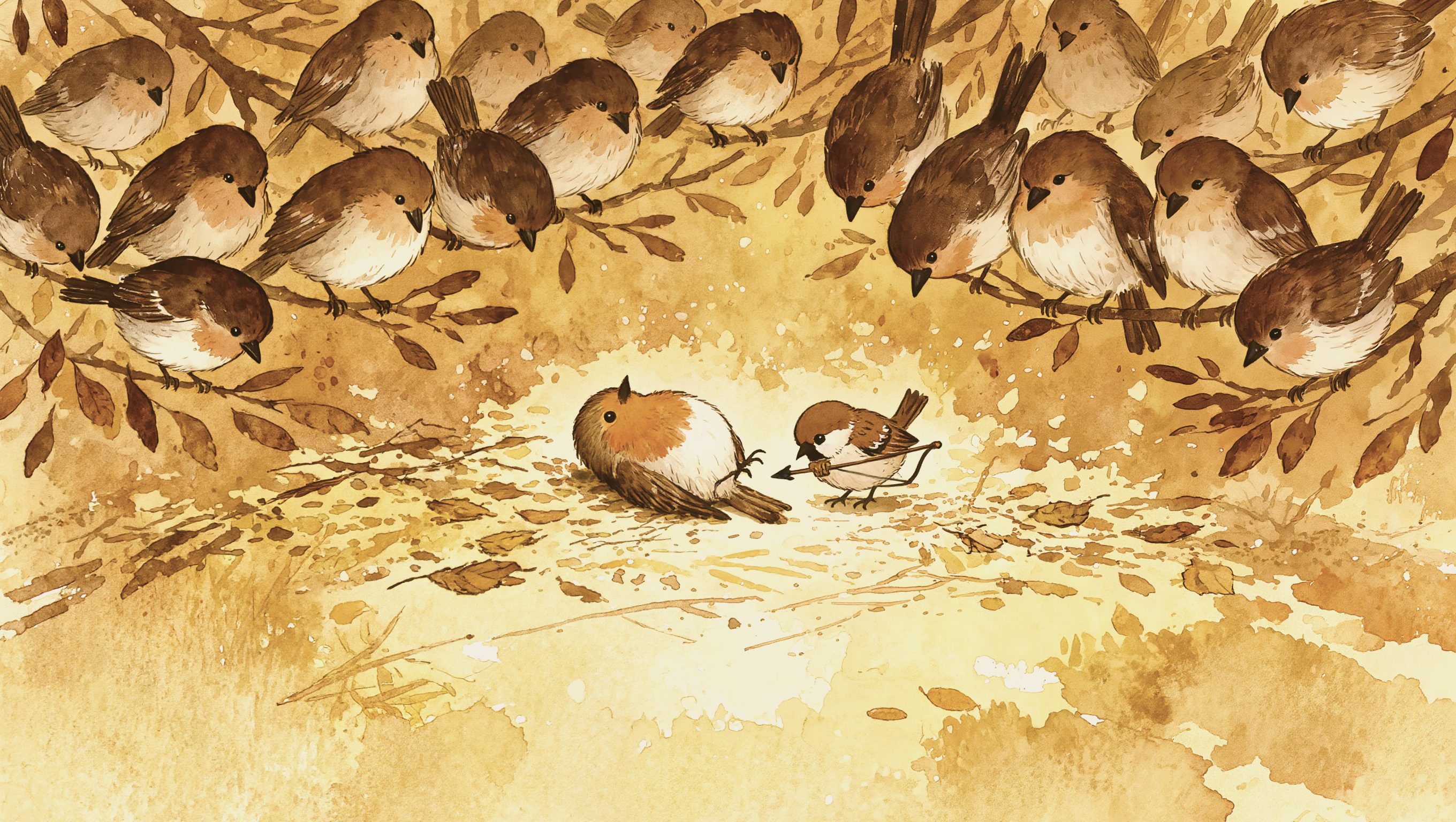
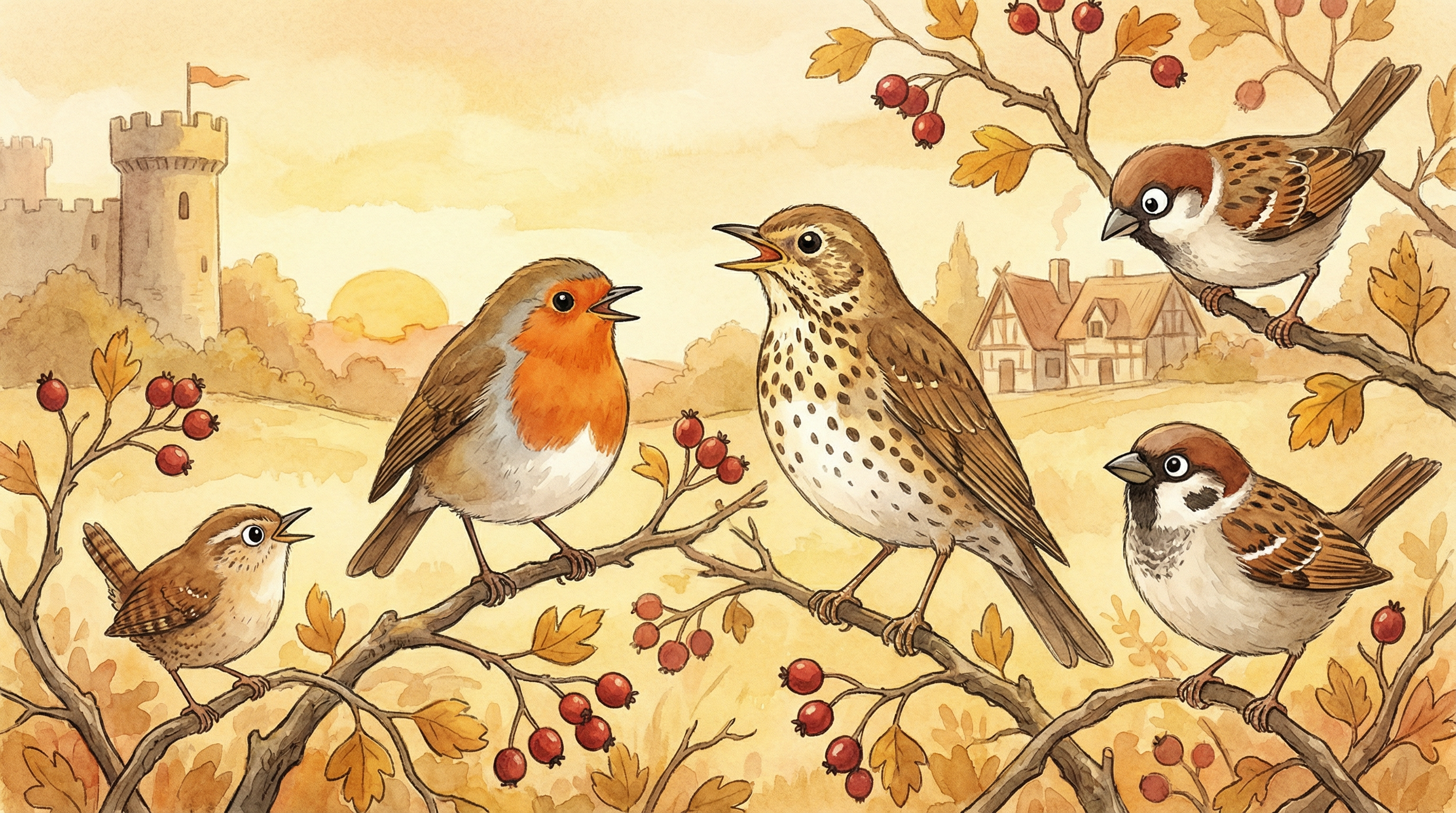
Oh Robin-a-thrush he married a wife,
With a hoppety, moppet, mow, now,
She proved to be the plague of his life;
With a hig-jig-jiggety, ruffety, petticoat,
Robin-a-thrush cries mow, now!
She never gets up 'til twelve o'clock,
With a hoppety, moppet, mow, now,
Puts on her gown and above it her smock;
With a hig-jig-jiggety, ruffety, petticoat,
Robin-a-thrush cries mow, now!
She sweeps the house but once a year,
With a hoppety, moppet, mow, now,
The reason is that the brooms are dear;
With a hig-jig-jiggety, ruffety, petticoat,
Robin-a-thrush cries mow, now!
She milks the cows but once a week,
With a hoppety, moppet, mow, now,
And that's what makes her butter sweet;
With a hig-jig-jiggety, ruffety, petticoat,
Robin-a-thrush cries mow, now!
The butter she made in an old man's boot,
With a hoppety, moppet, mow, now,
For want of a churn she clapp'd in her foot;
With a hig-jig-jiggety, ruffety, petticoat,
Robin-a-thrush cries mow, now!
Her cheese when made was put on the shelf,
With a hoppety, moppet, mow, now,
It never was turned 'til it turned by itself;
With a hig-jig-jiggety, ruffety, petticoat,
Robin-a-thrush cries mow, now!
It turned and turned 'til it walked on the floor,
With a hoppety, moppet, mow, now,
It stood upon legs and walked out the door;
With a hig-jig-jiggety, ruffety, petticoat,
Robin-a-thrush cries mow, now!
It walked 'til it came to Banbury Fair,
With a hoppety, moppet, mow, now,
The dame followed after upon a grey mare;
With a hig-jig-jiggety, ruffety, petticoat,
Robin-a-thrush cries mow, now!
This song it was made for gentlemen,
With a hoppety, moppet, mow, now,
If you want any more, you must sing it again;
With a hig-jig-jiggety, ruffety, petticoat,
Robin-a-thrush cries mow, now!
Traditional lyrics — public domain. Arrangement © Singalongasong Band / ClassicRocks.
History & Background
History & Origin
"Robin-a-Thrush" is an old English comic ballad in the tradition of songs about disastrous marriages and lazy wives. It belongs to a genre well established by the seventeenth century, in which the catalogue of a wife's shortcomings becomes both the subject and the structure of the song: she sleeps until noon, sweeps only once a year, milks the cows once a week, makes butter in an old boot, and leaves her cheese to turn itself.
The refrain — "hoppety, moppet, mow, now" and "hig-jig-jiggety, ruffety, petticoat" — is pure sound play, the kind of nonsense syllables that give old ballads their memorable texture and allow singers to join in without needing to know all the words. The recurring "Robin-a-thrush cries mow, now!" functions as a kind of resigned commentary: whatever absurdity the verse has delivered, Robin can only cry out his frustration.
The climax of the cheese walking to Banbury Fair on its own legs is the point at which the comic logic reaches its natural conclusion: if the wife will not take care of things, things must take care of themselves. The final verse's admission that the song was "made for gentlemen" and may be sung again if more is wanted is a characteristic piece of old ballad self-awareness.