Listen
Arrangement: Ian J. Watts / Mike Wilbury · Singalongasong Band / ClassicRocks
Lyrics
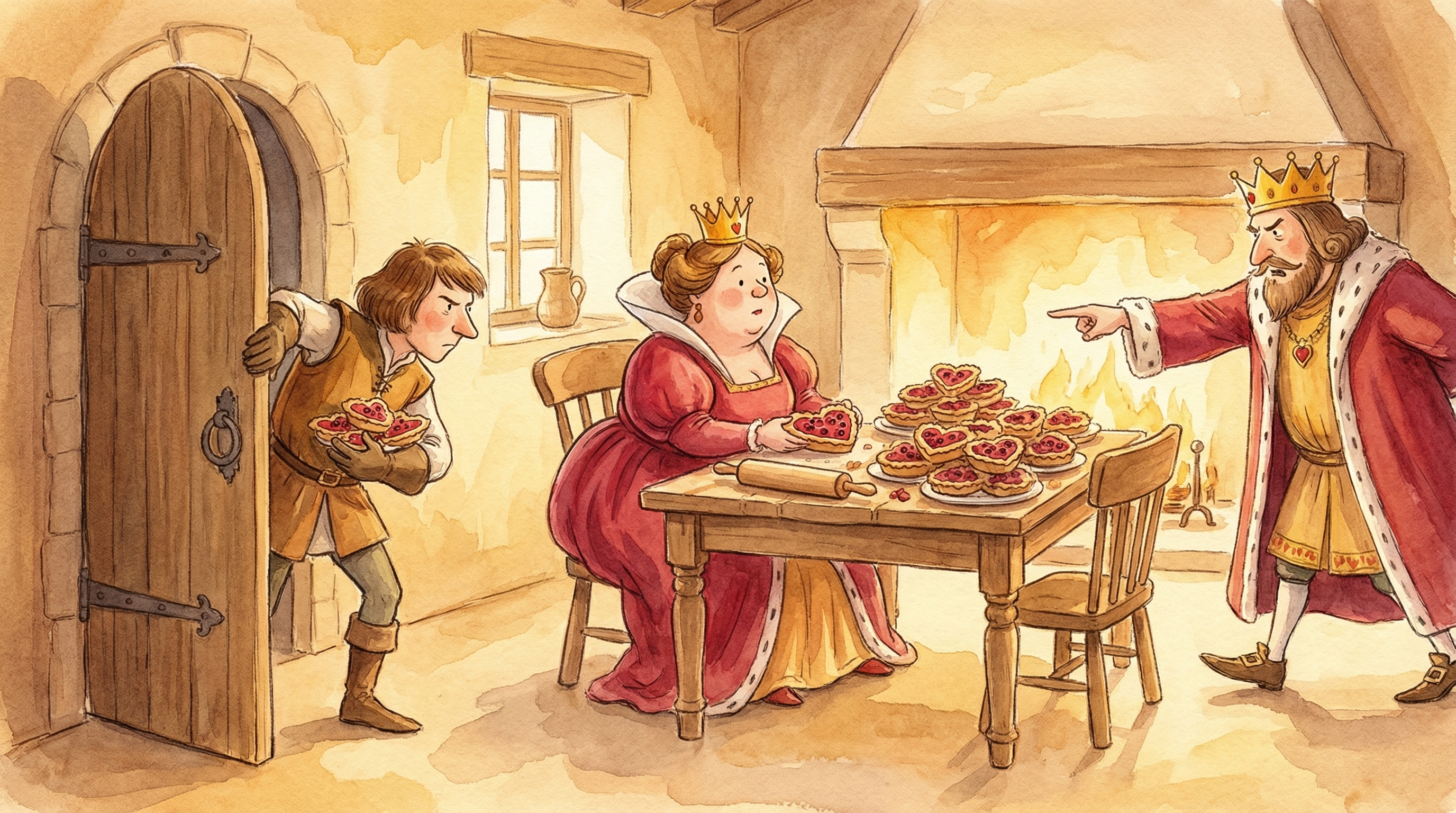
The Queen of Hearts she made some tarts,
All on a summer's day.
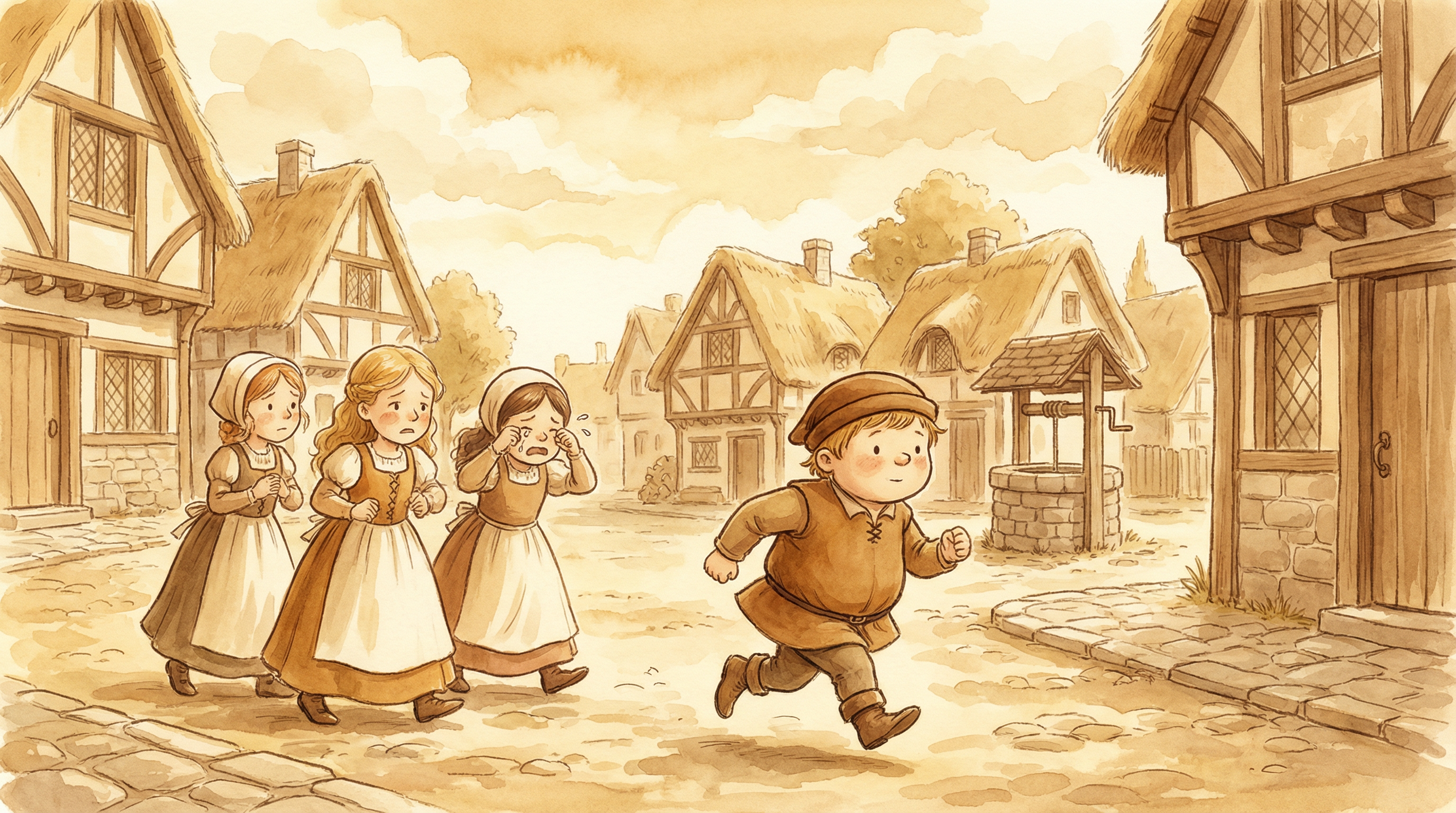
The Knave of Hearts he stole the tarts,
And took them clean away.
The King of Hearts called for the tarts,
And beat the Knave full sore.
The Knave of Hearts brought back the tarts,
And vowed he'd steal no more.
I'm the Queen of Hearts, I made some tarts,
All on a summer's day.
I'm the Knave of Hearts and I stole the tarts,
And I took them clean away.
I'm the King of Hearts and I called for the tarts,
And I beat the Knave full sore.
I'm the Knave of Hearts and I brought back those tarts,
And I vowed I'll steal no more.
The Queen of Hearts she made some tarts,
All on a summer's day.
The Knave of Hearts he stole the tarts,
And took them clean away.
The King of Hearts called for the tarts,
And beat the Knave full sore.
The Knave of Hearts brought back the tarts,
And vowed he'd steal no more.
Traditional lyrics — public domain. Arrangement © Singalongasong Band / ClassicRocks.
History & Background
History & Origin
"The Queen of Hearts" was first published in "The European Magazine" in April 1782, making it one of the older nursery rhymes with a precise date of first appearance. It belongs to a group of card-themed rhymes that use the face cards of a playing deck as characters — the Queen, King, and Knave (Jack) of Hearts.
The rhyme has a neat three-act structure: the Queen makes tarts; the Knave steals them; the King calls for them, punishes the Knave, and the tarts are returned. The Knave's final promise — "vowed he'd steal no more" — is delivered with the conviction of someone who has just been beaten, which raises the question of how long the vow will last.
This arrangement gives each character their own voice in the middle section, with the Queen, Knave, and King each speaking in the first person. The personification gives the story a comic theatrical quality, turning the nursery rhyme into a small drama in which each figure has their own perspective on events.
The connection to playing cards connects the rhyme to Alice in Wonderland, where the Queen of Hearts is a central character — though Lewis Carroll's version is considerably more alarming. The nursery rhyme Queen merely wants her tarts; she does not call for heads.