To Market, to Market
The jiggety-jig market song with fat pigs, plum cakes and home again
Listen
Arrangement: Ian J. Watts / Mike Wilbury · Singalongasong Band / ClassicRocks
Lyrics
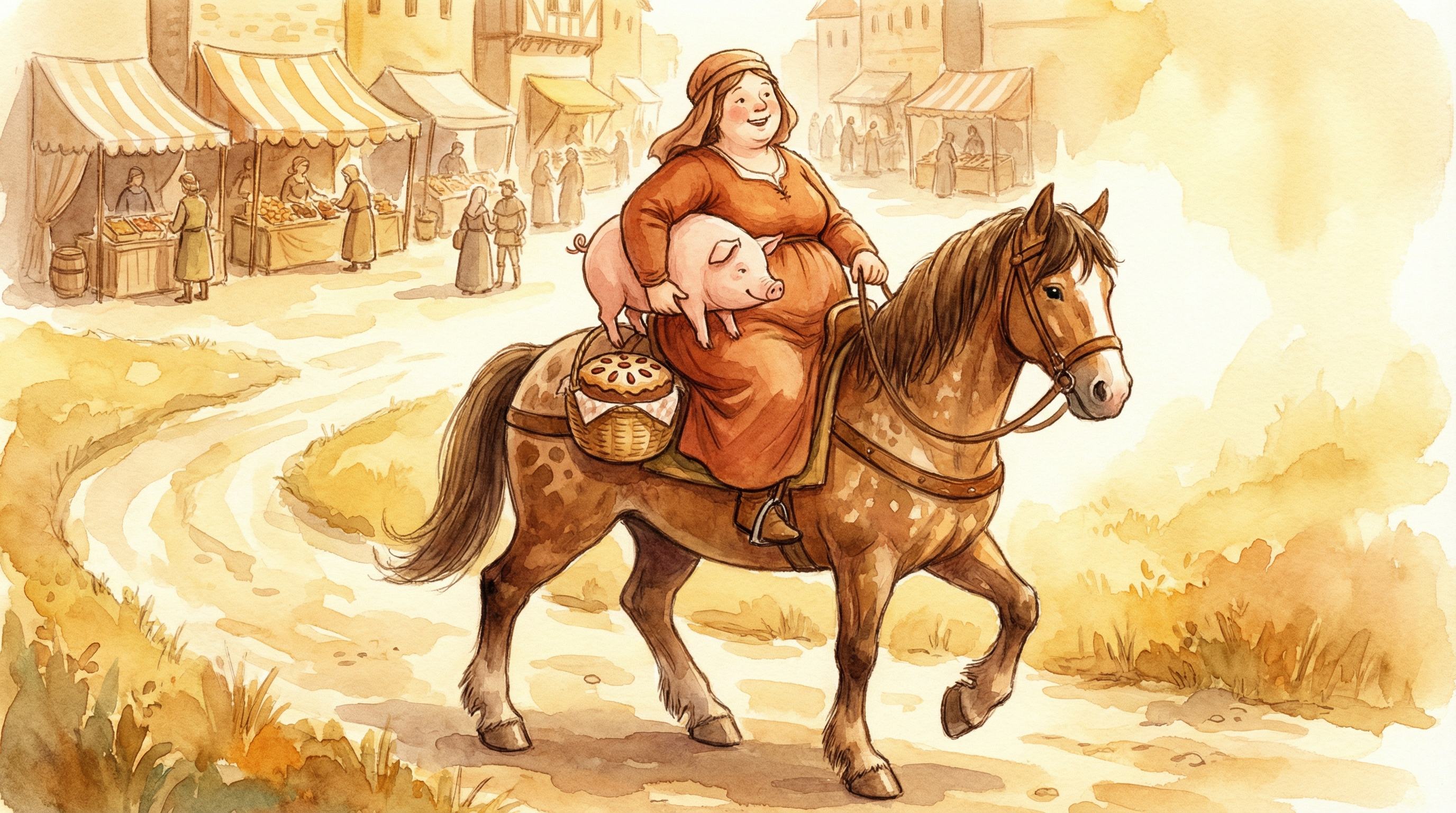
To market, to market, to buy a fat pig;
Home again, home again, jiggety-jig.
To market, to market, to buy a fat hog;
Home again, home again, jiggety-jog.
Singing oh oh oh oh oh oh oh.
To market, to market, to buy a plum cake;
Home again, home again, market is late.
To market, to market, to buy a plum bun;
Home again, home again, market is done.
Singing oh oh oh oh oh oh oh.
To market, to market, a gallop a trot,
To buy some meat to put in the pot;
Three pence a quarter, a groat a side,
If it hadn't been killed it must have died.
Singing oh oh oh oh oh oh oh.
To market, to market, to buy a fat pig;
Home again, home again, jiggety-jig.
To market, to market, to buy a fat hog;
Home again, home again, jiggety-jog.
Singing oh oh oh oh oh oh oh.
Traditional lyrics — public domain. Arrangement © Singalongasong Band / ClassicRocks.
History & Background
History & Origin
"To Market, to Market" is an old English nursery rhyme with roots stretching back to the sixteenth century. Versions of the rhyme appear in various forms from John Florio's Second Frutes in 1591, though the "jiggety-jig" version most widely known today was established by the late eighteenth century.
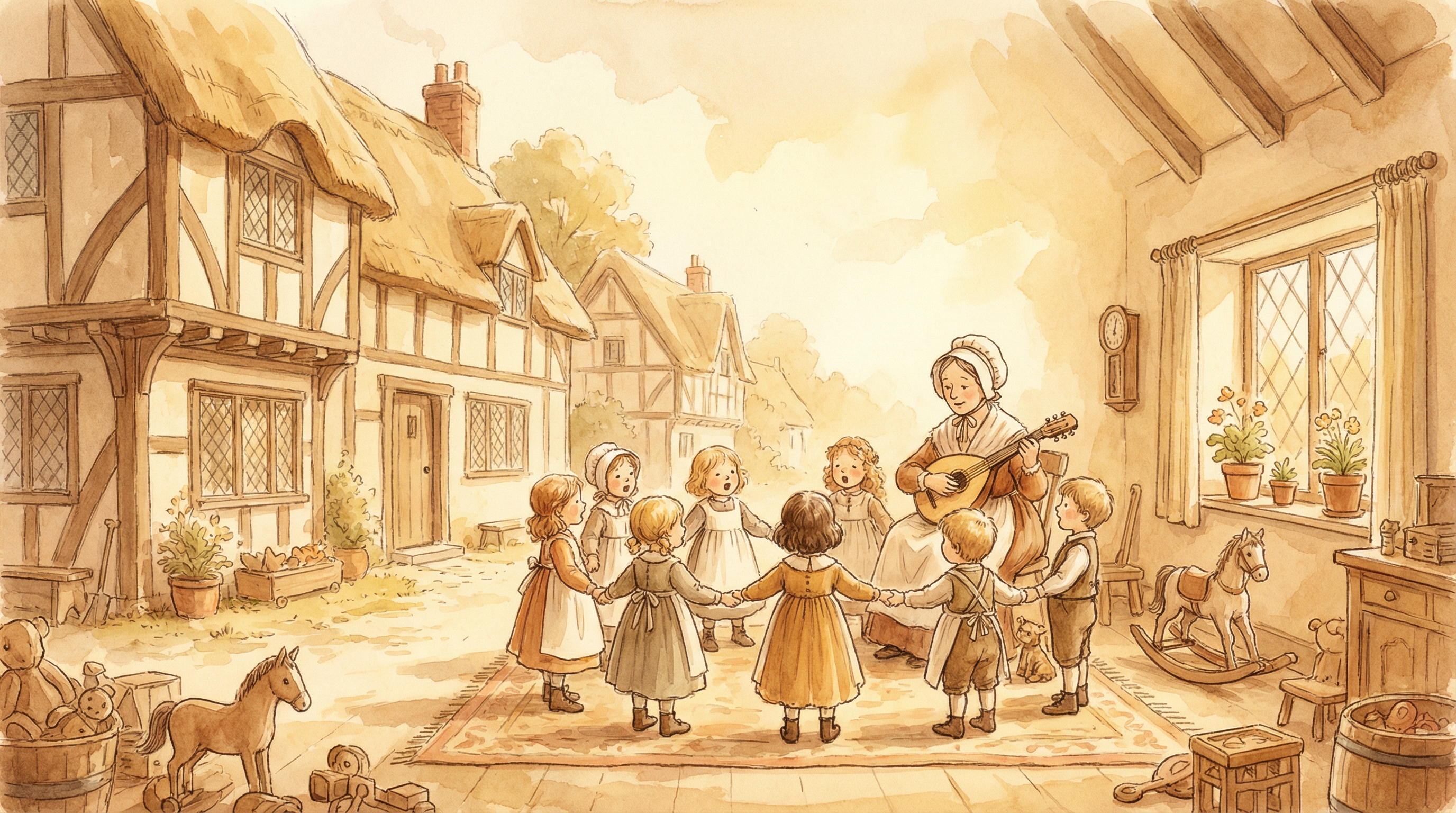
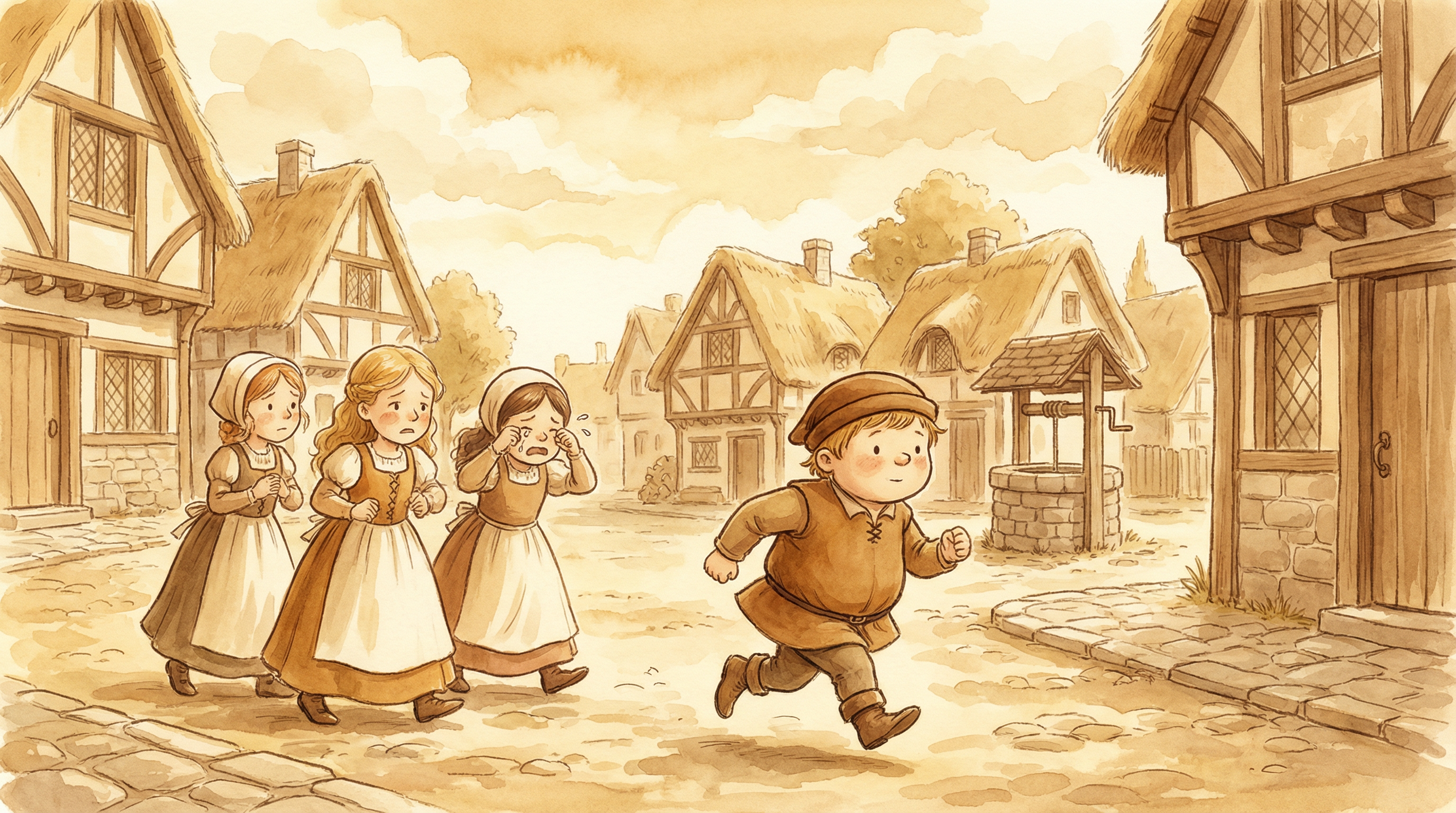
The rhyme captures the rhythmic motion of a horse or a child bouncing on a knee, with the jiggety-jig and jiggety-jog refrains mimicking the gait of a trotting animal. It was traditionally used as a knee-bouncing song for small children, who were "ridden" to market and back on a parent's leg, making the journey from verse to verse a physical one as well as a musical one.
This recording extends the traditional opening verses with additional stanzas — plum cakes, plum buns and a wonderfully pragmatic note about the meat for the pot — before returning to the original fat pig and fat hog for the final repeat. The "singing oh oh oh oh" refrain gives the whole thing a warm, communal feel, as though the market itself is joining in.