What Are Little Boys Made Of?
Snips and snails for boys, sugar and spice for girls — the classic rhyme extended
Listen
Arrangement: Ian J. Watts / Mike Wilbury · Singalongasong Band / ClassicRocks
Lyrics
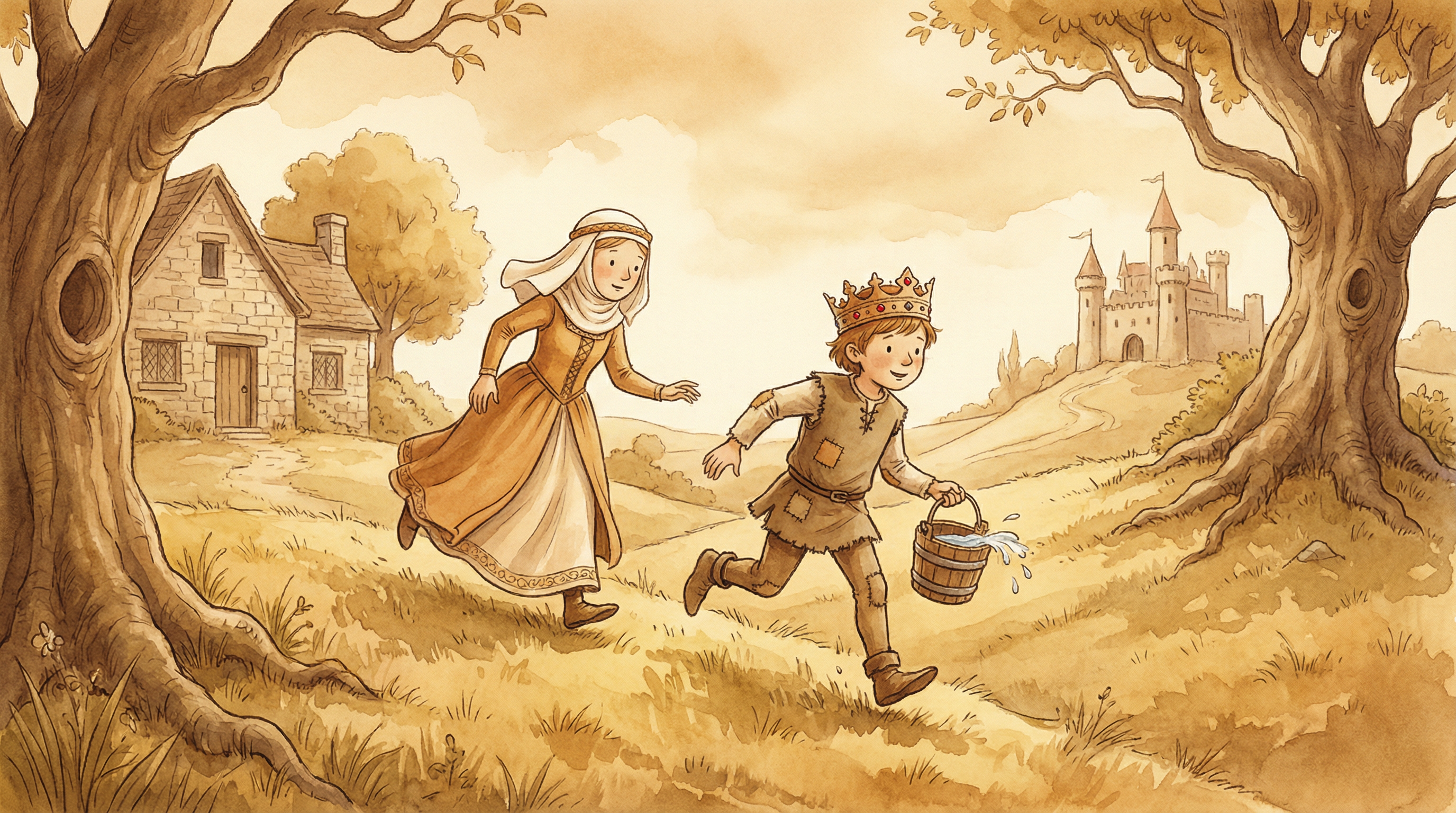
What are little boys made of?
What are little boys made of?
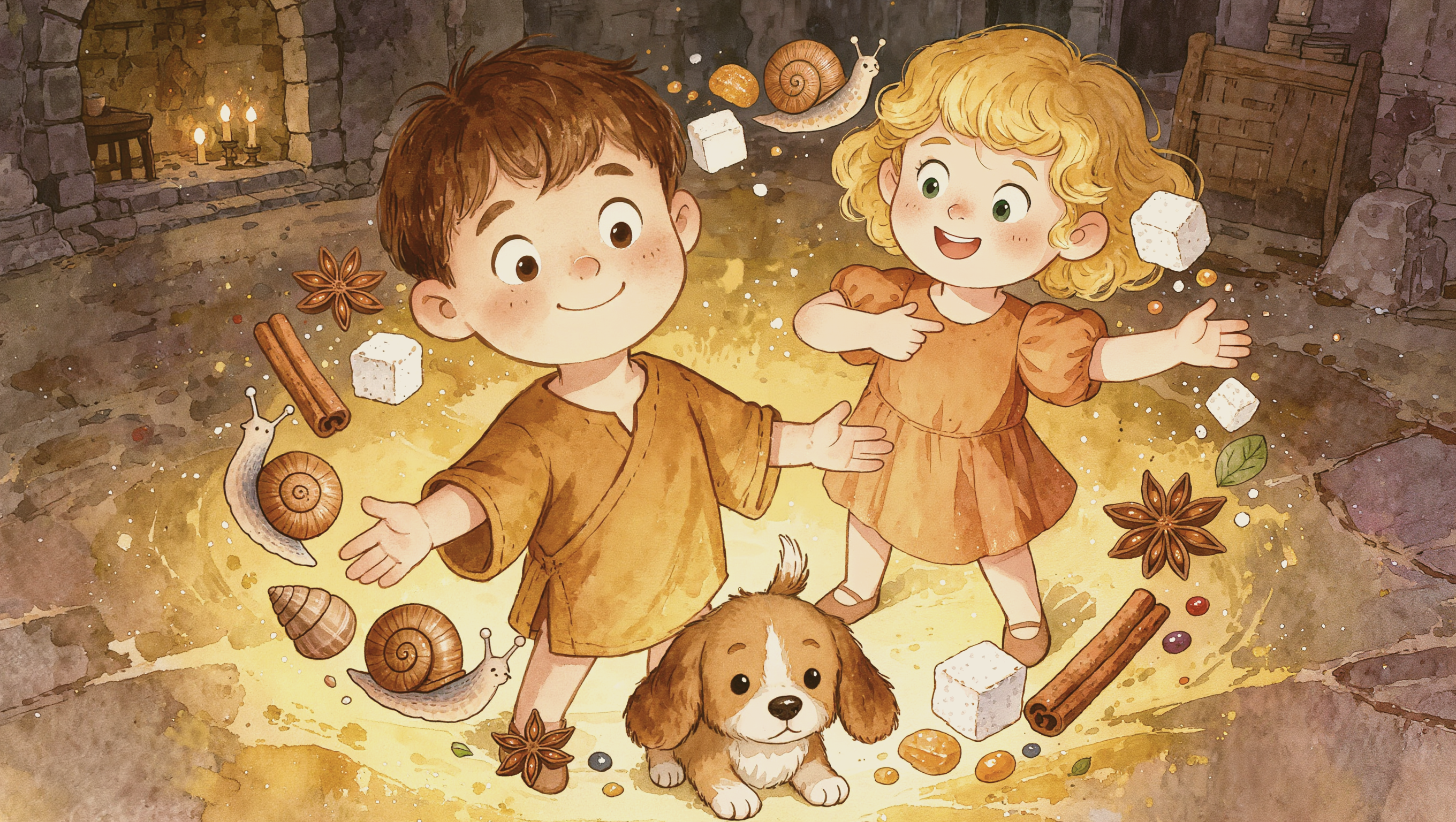
"Snips and snails and puppy dogs' tails,
That's what little boys are made of!"
What are little girls made of?
What are little girls made of?
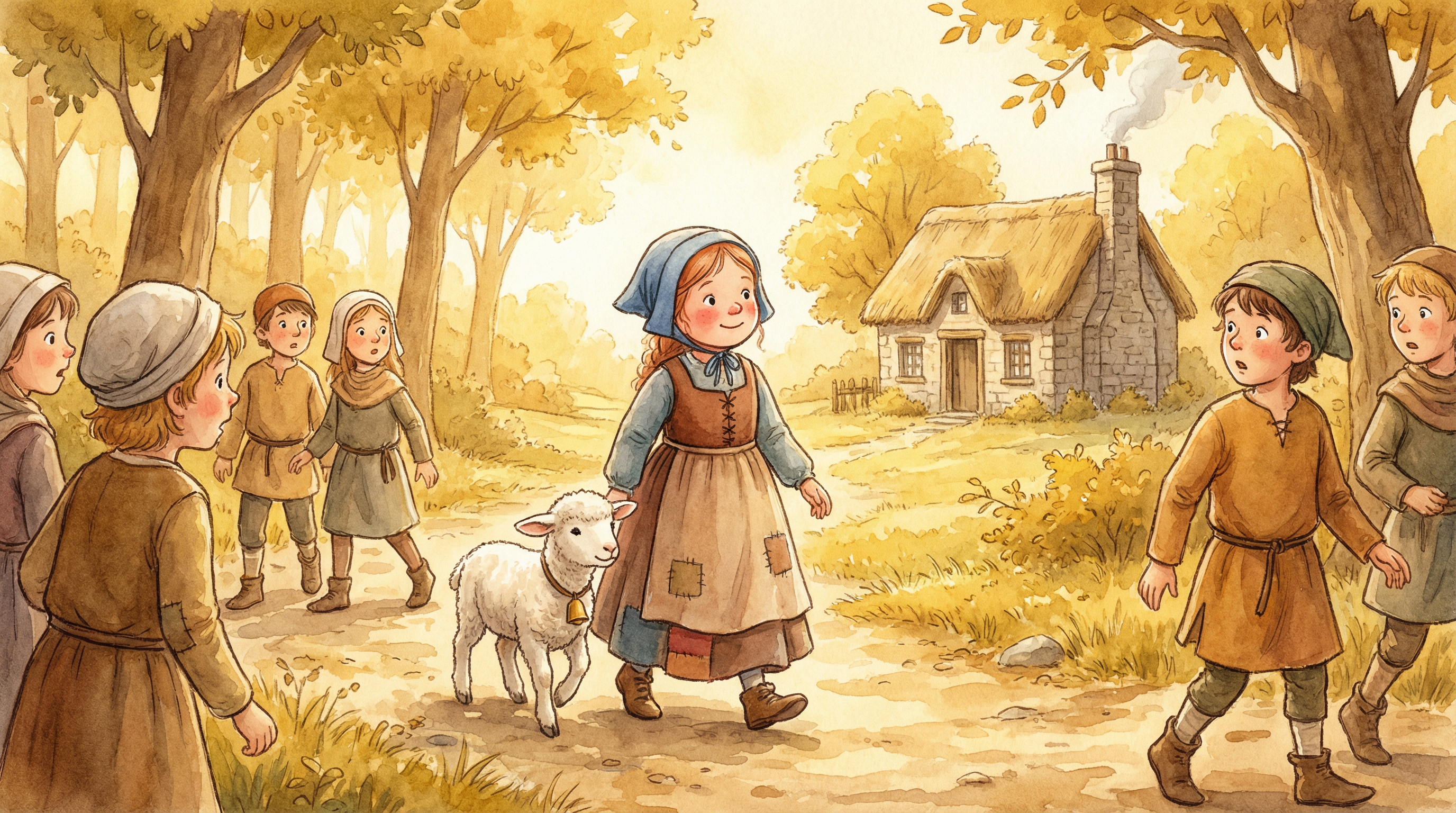
"Sugar and spice and all things nice,
That's what little girls are made of!"
What are young men made of?
What are young men made of?
"Sighs and cheers and crocodile tears,
That's what young men are made of."
What are young women made of?
What are young women made of?
"Ribbons and laces and sweet pretty faces,
That's what young women are made of."
What are little boys made of?
What are little boys made of?
"Snips and snails and puppy dogs' tails,
That's what little boys are made of!"
Traditional lyrics — public domain. Arrangement © Singalongasong Band / ClassicRocks.
History & Background
History & Origin
"What Are Little Boys Made Of?" is a traditional nursery rhyme that poses the same question of successive groups and receives a different answer each time. The most famous lines — snips and snails and puppy dogs' tails for boys, sugar and spice and all things nice for girls — have been quoted so widely that they have become cultural shorthand for gender expectations, used both sincerely and ironically.
The rhyme was first published around 1820 and is generally attributed to Robert Southey, though the attribution is uncertain. The contrast between the two children's answers is deliberately comic — boys made of unpleasant odds and ends, girls made of sweet things — and the rhyme has been interpreted both as gentle teasing and as a more pointed comment on social attitudes.
This recording extends the original beyond boys and girls to cover young men (sighs, cheers and crocodile tears) and young women (ribbons, laces and sweet pretty faces), before returning to the original verse. The fun-punk arrangement gives the whole thing a cheerful irreverence that suits the rhyme well.